

Select gasoline vehicles offer significant fuel savings and reduced emissions for eco-conscious drivers. Advanced engine technologies, safety systems, and aerodynamic designs from brands like Toyota, Honda, and Ford maximize efficiency. Models like the 2023 Ford F-150 Hybrid, Toyota Prius, and Honda Civic achieve impressive MPG ratings. Real-world performance, government incentives, and low maintenance costs make these select gasoline vehicles appealing for long-term sustainability while meeting diverse transportation needs.
In today’s world, where environmental concerns are at the forefront of public discourse, the search for efficient and eco-friendly transportation has become more urgent than ever. The impact of vehicle emissions on our planet is undeniable, making it crucial to explore alternatives that minimize our carbon footprint. This article delves into a critical aspect of this shift: selecting fuel-saving vehicles that offer both performance and sustainability. We will guide you through the process of choosing the most efficient gasoline vehicles available, providing insights to help you navigate this important decision in light of the growing need for environmentally conscious choices.
- Understanding Fuel Efficiency: Basics and Benefits
- Identifying Key Features in Select Gasoline Vehicles
- Analyzing Environmental Impact: Greenest Options Highlighted
- Expert Reviews: Top Performer Fuel Savers in the Market
- Consumer Insights: Practical Considerations for Buyers
- Future Trends: Electric and Hybrid Select Gasoline Vehicles
Understanding Fuel Efficiency: Basics and Benefits
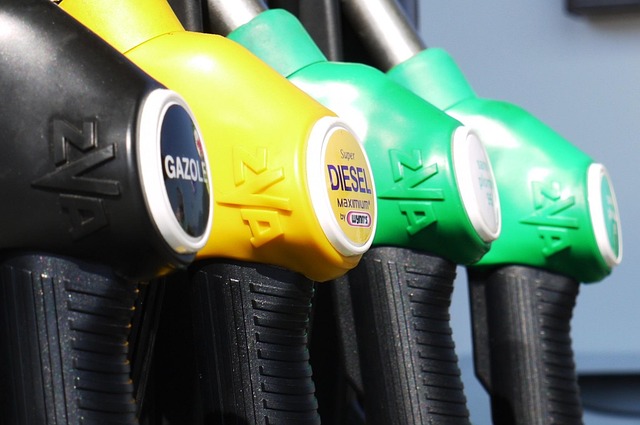
Understanding Fuel Efficiency: Basics and Benefits
Fuel efficiency is a critical factor for drivers, especially those who cover significant distances on long trips or navigate urban environments with frequent stop-and-go traffic. It’s more than just saving money at the pump; it contributes to environmental sustainability by reducing greenhouse gas emissions. At its core, fuel efficiency measures how effectively a vehicle converts energy from fuel into forward motion. This is typically expressed in miles per gallon (MPG) for gasoline vehicles.
When selecting a vehicle, prioritizing high mileage gasoline SUVs or best gas cars for long trips can lead to substantial savings and environmental benefits. For instance, modern hybrid electric vehicles (HEVs) like the Toyota Prius achieve remarkable efficiency by combining a conventional engine with an electric motor. According to the U.S. Department of Energy, HEVs can save drivers up to 50% on fuel costs compared to traditional gasoline-powered cars. Furthermore, these vehicles emit fewer pollutants, contributing to cleaner air in urban areas and reducing our carbon footprint.
Among select gasoline vehicles, high mileage SUVs offer a compelling blend of passenger space, cargo capacity, and impressive fuel economy. Models like the Honda CR-V and Toyota RAV4 have consistently ranked at the top for their segment in terms of MPG ratings. For long-distance travel, these efficient SUVs provide both comfort and cost savings. When planning extensive road trips, choosing vehicles with proven track records for fuel efficiency can translate to significant savings, allowing drivers to go farther on a tankful of gas.
In today’s market, consumers have numerous options when it comes to select gasoline vehicles. By understanding the fundamentals of fuel efficiency and exploring advanced technologies like hybrids, drivers can make informed decisions that cater to their needs while promoting environmental stewardship.
Identifying Key Features in Select Gasoline Vehicles

When navigating the market for fuel-efficient vehicles, particularly among select gasoline vehicles, identifying key features is paramount. Eco-conscious consumers seeking family-friendly gas powered vehicles often look beyond mere mileage to quality, safety, and long-term reliability. Reputable gasoline car brands like Toyota, Honda, and Ford consistently rank high in these categories, offering models that blend performance with efficiency. For instance, the Toyota Prius, a pioneer in hybrid technology, provides impressive fuel economy while maintaining a comfortable ride for daily commutes or family road trips.
Key features to look for in eco-conscious gas vehicle choices include advanced engine technologies such as direct injection and turbocharging, which enhance power while reducing fuel consumption. Advanced safety systems, like automatic emergency braking and lane-keeping assist, not only contribute to a safer driving experience but also encourage more efficient driving habits. Additionally, lightweight materials and aerodynamic designs significantly improve fuel efficiency by minimizing drag. The 2022 Honda Civic, for example, boasts a sleek profile and an engine that delivers excellent mileage without compromising on performance or handling.
Beyond specific models, focusing on reputable gasoline car brands known for their commitment to innovation and quality can lead to smarter choices. These manufacturers invest heavily in research and development to meet evolving environmental standards while keeping costs down for consumers. Regular maintenance, such as timely oil changes and tire rotations, also plays a vital role in maximizing the fuel efficiency of any vehicle. By combining thoughtful selection with proper care, drivers can enjoy both exceptional performance and outstanding gas mileage, contributing to a greener future without sacrificing driving pleasure.
Analyzing Environmental Impact: Greenest Options Highlighted

As the global push for sustainability intensifies, consumers are increasingly seeking environmentally conscious transportation options. Among the various alternatives, select gasoline vehicles stand out as a viable solution, offering both affordable and reliable eco-friendly driving experiences without sacrificing performance or comfort. Modern gasoline car designs have embraced lighter materials, advanced engine technologies, and innovative aerodynamics to enhance fuel efficiency and reduce emissions.
One of the most notable advantages of these green machines is their accessibility. With various models available from reputable manufacturers, consumers can choose from a diverse range of affordable reliable gas cars tailored to different needs and preferences. For instance, compact sedans and subcompacts often top the list for their superior fuel economy, while SUVs and crossovers cater to those seeking more space without compromising on green credentials. The U.S. Environmental Protection Agency (EPA) reports that modern gasoline vehicles have seen significant improvements in fuel efficiency over the past decade, with some models achieving an average of 30 miles per gallon or higher.
Moreover, the environmental impact of these select gasoline vehicles extends beyond mere efficiency. Advanced emission control technologies, such as selective catalytic reducers and particulate filters, play a crucial role in minimizing harmful pollutants released into the atmosphere. This not only contributes to improved air quality but also helps combat climate change by reducing greenhouse gas emissions. As we navigate towards a more sustainable future, embracing these innovative gas car designs is a practical step toward achieving eco-friendly transportation without compromising on performance or convenience.
Expert Reviews: Top Performer Fuel Savers in the Market

In an era of escalating environmental concerns, consumers are increasingly turning to select gasoline vehicles renowned for their exceptional fuel savings and greenhouse gas reducing capabilities. Expert reviews consistently highlight hybrid electric vehicles (HEVs) as frontrunners in this domain. These innovative cars seamlessly blend conventional engines with advanced electric motors, resulting in substantial fuel economy improvements. For instance, the Toyota Prius, a perennial favorite among eco-conscious buyers, boasts an impressive combined city/highway MPG rating of 58 according to the US Environmental Protection Agency (EPA).
Beyond HEVs, reputable gasoline car brands have also pioneered technologies aimed at minimizing environmental impact. The latest models from Ford, Honda, and Chevrolet offer sophisticated features that optimize fuel efficiency without compromising performance. These include state-of-the-art engine management systems, intelligent transmission controls, and aerodynamic designs. For example, the 2023 Ford F-150 Hybrid demonstrates remarkable prowess, delivering up to a best-in-class 44 MPG in city driving, thanks to its advanced plug-in hybrid powertrain.
When selecting a fuel-saving vehicle, it’s crucial to consider not only theoretical ratings but also real-world performance and reliability. Long-term owner feedback and independent testing play a significant role in identifying the most practical and long-lasting green machines. Moreover, keeping an eye on government incentives and tax credits for purchasing eco-friendly vehicles can substantially reduce the overall cost of ownership, making these select gasoline vehicles even more attractive to environmentally mindful consumers.
Consumer Insights: Practical Considerations for Buyers

When selecting a gasoline vehicle, consumers today have a vast array of choices, each boasting unique features designed to enhance fuel efficiency. This shift towards more practical considerations has been driven by rising fuel costs and an increased awareness of environmental impact. Buyers are looking for durable gasoline car models that offer not just excellent mileage but also modern gasoline vehicle innovations to ensure longevity and optimal performance.
Practical insights from automotive experts highlight the importance of considering vehicles with advanced engine technologies, such as turbocharged engines or hybrid systems, which can significantly improve fuel economy without compromising power. For instance, the 2023 Toyota Prius, renowned for its exceptional fuel efficiency, incorporates a sophisticated hybrid system that delivers an estimated 58 MPG in city driving and 53 MPG on highways—making it one of the best gas cars for long trips while maintaining affordability. Similarly, modern features like stop-start systems and regenerative braking technologies have become standard in many durable gasoline car models, contributing to substantial fuel savings over time.
Furthermore, buyers should explore vehicles with lightweight materials and streamlined designs, as these characteristics directly impact a car’s aerodynamic efficiency and overall weight, leading to better gas mileage. The 2023 Honda Civic, for example, features an aluminum-alloy body structure, enabling it to achieve impressive fuel economy ratings while maintaining robust performance. As the automotive industry continues to innovate, consumers can expect to see even more exciting advancements in select gasoline vehicles, ensuring that both their wallets and the environment remain happy and healthy.
To make informed decisions, buyers should research vehicle models with a proven track record for reliability and low maintenance costs. Long-term fuel savings can be achieved by choosing durable gasoline car models that require fewer visits to the mechanic, reducing not just expenses but also time invested in vehicle upkeep. By combining these practical considerations, consumers can navigate the market effectively and select a gasoline vehicle that meets their needs while promoting sustainability.
Future Trends: Electric and Hybrid Select Gasoline Vehicles

The automotive industry is undergoing a significant transformation as electric vehicles (EVs) gain traction, but select gasoline vehicles remain essential, especially for those who require specific features or live in regions with limited charging infrastructure. Future trends indicate a continued evolution of fuel-optimized gasoline vehicles, incorporating advanced technologies to enhance efficiency and reduce emissions. This shift towards more sustainable transportation is evident in the growing popularity of hybrid and plug-in hybrid models, which offer drivers an accessible bridge between conventional cars and fully electric alternatives.
One notable trend is the development of affordable luxury gas sedans that seamlessly blend performance with fuel economy. These vehicles employ sophisticated engines and lightweight materials to deliver impressive miles per gallon (MPG) without compromising on comfort or style. For instance, the Toyota Camry Hybrid and Honda Accord Hybrid consistently rank among the top choices for best gas cars, offering efficient performance suitable for both daily commuting and long-distance trips. Similarly, select gasoline vehicles designed with aerodynamic efficiency in mind, such as the Ford Mustang EcoBoost, demonstrate that powerful engines can coexist with fuel-saving technology.
When considering best gas cars for long trips, several factors come into play, including robust engines, comfortable interiors, and advanced safety features. Modern select gasoline vehicles often incorporate smart engineering to optimize fuel consumption during extended journeys. For example, the advanced turbocharging systems in cars like the Subaru WRX or Mazda3 can improve fuel efficiency while providing ample power for highway driving. Additionally, these vehicles benefit from real-time performance monitoring systems that adjust engine settings based on road conditions and driver behavior, ensuring optimal fuel economy throughout.
To stay ahead in this evolving market, consumers should look for updated models equipped with the latest fuel optimization technologies, such as stop-start systems, regenerative braking, and advanced transmission controls. By choosing these innovative select gasoline vehicles, drivers can contribute to a more sustainable future while enjoying reliable, efficient transportation tailored to their specific needs, whether for everyday use or extensive travel.
By examining Select Gasoline Vehicles through various lenses—from fuel efficiency basics and environmental impact to expert reviews and consumer insights—this article equips readers with a comprehensive understanding of the current market landscape. Key takeaways include the importance of identifying efficient features, the growing authority of electric and hybrid vehicles, and practical considerations for buyers seeking sustainable transportation. Moving forward, consumers can make informed decisions, contribute to reduced carbon footprints, and anticipate future trends that promise even more fuel-saving options.