

Maximizing fuel efficiency requires a multi-pronged approach:
– Track mileage & fuel levels for pattern recognition.
– Select modern gasoline vehicles with advanced features like stop-start systems and smart software for improved economy.
– Practice thoughtful driving habits: smooth acceleration, consistent speeds, minimizing idle time.
– Regular maintenance: clean air filters, regular oil changes, proper tire pressure.
– Leverage modern technologies: adaptive cruise control, lane-keeping assist, regenerative braking.
– Choose appropriate octane levels based on vehicle recommendations for optimal performance and efficiency.
– Select gasoline vehicles with eco-friendly features like lightweight materials and start/stop technology for up to 50% better mileage.
In today’s world, where environmental concerns and rising fuel costs demand sustainable solutions, optimizing fuel economy becomes a pressing matter for both drivers and policymakers. Select Gasoline Vehicles offer a significant opportunity to reduce emissions and conserve resources without compromising performance. This article delves into practical tips tailored for gasoline vehicle owners, providing actionable strategies to enhance efficiency. We’ll explore methods to navigate the daily commute, maintain optimal conditions, and make informed choices regarding tire pressure, acceleration, and speed, all with the aim of maximizing fuel savings and minimizing environmental impact.
- Understanding Your Vehicle's Fuel Consumption
- Simple Driving Habits for Better Mileage
- Maintenance Checks for Efficient Gasoline Use
- Selecting the Right Gasoline: Octane Levels Explained
- Advanced Technologies for Enhanced Fuel Economy
Understanding Your Vehicle's Fuel Consumption
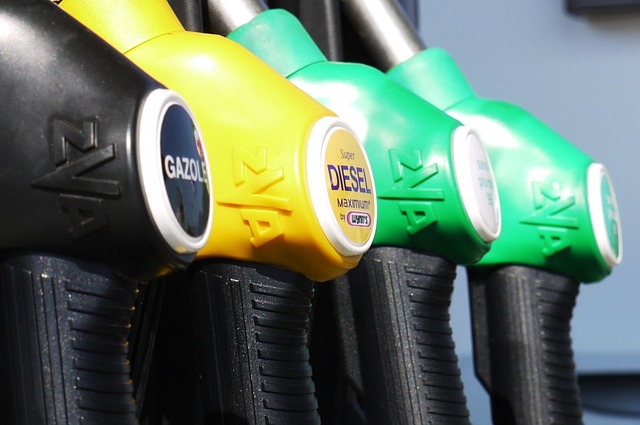
Understanding your vehicle’s fuel consumption is a crucial aspect of maximizing efficiency and minimizing costs when driving a gasoline vehicle. Every car has unique fuel characteristics, influenced by factors like engine size, weight, aerodynamics, and driving conditions. To illustrate, consider this: a well-maintained top-rated gasoline crossover can achieve an average of 25-30 miles per gallon (mpg) in city driving, while a family-friendly gas-powered sedan might see around 28-32 mpg on highways. These variations underscore the importance of knowing your vehicle’s specific fuel needs.
One effective method to gauge your car’s fuel consumption is through regular tracking. Keep a log of your daily or weekly mileage, along with corresponding fuel levels. This practice allows you to identify patterns and pinpoint times when your vehicle’s efficiency deviates from its typical range. For instance, if you notice a sudden drop in mpg during summer months, it could be due to increased air conditioning use. Similarly, modern gasoline vehicle innovations, such as stop-start systems and advanced engine management software, can significantly impact fuel economy. These technologies automatically shut down the engine when the car comes to a stop, reducing idle time and minimizing fuel wastage.
Selecting the right gasoline vehicle is also key to improving fuel economy. Top-rated gasoline crossovers and family-friendly gas-powered sedans often incorporate these innovations, offering better mileage without compromising performance or comfort. When choosing a new vehicle, consider its city and highway fuel estimates provided by the manufacturer—they serve as valuable benchmarks. Additionally, maintain your vehicle according to the manufacturer’s recommendations, including regular oil changes and tire pressure checks. These simple practices can yield substantial savings over time.
Simple Driving Habits for Better Mileage
Improving fuel economy is not just about choosing the right gasoline vehicle; it’s also heavily influenced by everyday driving habits. Even top-rated gasoline crossovers or advanced models with safety features can’t optimize mileage if driven aggressively. Smooth acceleration and deceleration, maintaining a steady speed, and minimizing idle time are key principles. Imagine your car as an efficient machine—it responds better to gentle guidance than abrupt commands. Avoid sudden starts and stops; instead, plan for smooth transitions while keeping a safe distance from other vehicles.
Another habit to adopt is regular mileage maintenance. Low-cost gasoline car maintenance plays a significant role in sustaining optimal performance. Simple practices like checking tire pressure (aim for the recommended PSI), changing oil and filters at appropriate intervals, and ensuring your vehicle’s air filter isn’t clogged can collectively improve fuel efficiency by up to 10%. Consider it an investment—not just in better mileage but also in extending your car’s lifespan—that pays dividends through reduced fuel costs.
Additionally, leveraging modern technology in gasoline cars can significantly enhance fuel economy. Many new models come equipped with advanced safety features that not only improve driving experience but also contribute to smoother driving patterns. Adaptive cruise control and lane-keeping assist systems help maintain a consistent speed and distance from other vehicles, reducing the need for frequent acceleration and deceleration.
Data supports these practices: according to the US Department of Energy, aggressive driving can reduce fuel efficiency by up to 35%. By adopting simple yet effective driving habits, maintaining your vehicle, and utilizing modern technology, you can naturally select gasoline vehicles that offer better mileage without compromising on performance or safety, with top-rated crossovers being a perfect example. Remember, every small change in behavior adds up, leading to substantial savings over time.
Maintenance Checks for Efficient Gasoline Use
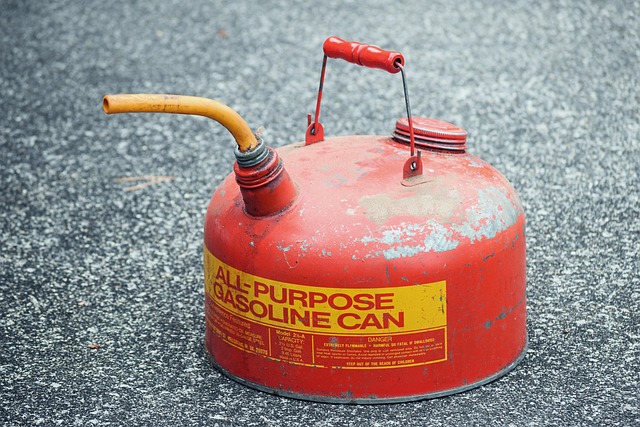
Regular maintenance checks are pivotal for maximizing fuel economy in gasoline vehicles. One of the key aspects often overlooked is ensuring your car’s air filter is clean and in good condition. A contaminated air filter can restrict airflow, leading to a decrease in engine performance and increased fuel consumption. It’s recommended that drivers check their air filters every 15,000 to 20,000 miles or at least once a year. Modern gasoline car designs incorporate advanced technology like variable valve timing and direct injection, which significantly enhance efficiency. For instance, these features allow engines to operate more optimally, burning fuel more cleanly and reducing emissions.
Another critical area is regular oil changes. Using the recommended grade of motor oil can reduce friction in the engine, thereby improving fuel efficiency. Many new gasoline vehicles are equipped with eco-friendly engines that demand specific types of oil for optimal performance. Neglecting this detail could lead to higher fuel costs and reduced longevity of your vehicle’s powerplant. Additionally, keeping tires properly inflated can save gas; underinflated tires increase rolling resistance, requiring more energy from the engine.
In recent years, there has been a surge in efficient and powerful gas cars that seamlessly blend performance with sustainability. These vehicles leverage modern gasoline vehicle designs to offer impressive fuel economy without compromising driving dynamics. For example, some crossovers and SUVs achieve over 30 miles per gallon on the highway while delivering strong acceleration. Drivers can significantly enhance their fuel savings by adhering to manufacturer-recommended service intervals and utilizing these advanced technologies.
Selecting the Right Gasoline: Octane Levels Explained

When it comes to enhancing fuel economy in gasoline vehicles, one often overlooked yet critical aspect is selecting the right gasoline. Octane levels play a significant role in optimizing performance and efficiency. The primary distinction lies between regular (87 octane) and premium (91 or higher octane) gasoline. High-octane fuels prevent knocking, or detonation, within the engine by resisting igniting too early when compressed. For most modern vehicles, using the recommended octane level specified by the manufacturer is crucial for optimal performance and efficiency.
However, it’s not as simple as just filling up with premium everywhere. Reputable gasoline car brands like Toyota, Honda, and Hyundai, known for their fuel-efficient models, often recommend higher octane fuels for specific vehicles designed to take advantage of these levels. For instance, the Toyota Prius, a best gasoline car for fuel efficiency under 20k, typically requires 87 octane, while its more powerful variants might need 91 or higher. Similarly, reputable brands like Ford and Chevrolet offer a range of gasoline cars that can improve your average mileage when fueled with the correct octane.
To make informed choices, drivers should consult their vehicle’s owner manual for recommended fuel types. Using lower octane fuels than specified may lead to decreased performance and potential engine damage, whereas paying for higher octane when not necessary can result in unnecessary expenses. A balanced approach, therefore, is to Select gasoline vehicles that match both your driving needs and the car’s specifications, ensuring optimal fuel economy without exceeding your budget.
Advanced Technologies for Enhanced Fuel Economy

Advanced technologies are transforming the fuel economy landscape, offering drivers an exciting array of options to enhance their eco-friendly driving experiences. In the hybrid vs traditional gasoline cars debate, the former has gained significant traction due to its superior efficiency and powerful performance. These advancements have been made possible through innovations like direct injection, where fuel is precisely metered into the engine, improving combustion and reducing waste. Additionally, modern engines utilize variable valve timing, allowing for optimized power and fuel efficiency at various RPMs.
One of the most remarkable developments is the integration of smart electronics and sensors. These systems monitor driving patterns and adjust accordingly, optimizing fuel usage. For instance, some advanced vehicles can predict and adapt to traffic flow, minimizing abrupt accelerations and decelerations that waste fuel. This technology, often found in efficient and powerful gas cars, ensures a smooth ride while significantly reducing consumption. Furthermore, regenerative braking systems capture energy typically lost during slowing or stopping, converting it into rechargeable energy, which contributes to enhanced overall efficiency.
Selecting the right gasoline vehicle is key to reaping these benefits. Look for models with advanced eco-friendly features like start/stop technology and lightweight materials that reduce overall vehicle weight, leading to better fuel economy. For instance, modern hybrid cars offer remarkable performance while achieving up to 50% better fuel efficiency than traditional counterparts. By embracing these technologies, drivers can contribute to environmental sustainability without compromising on driving pleasure.
By adopting the strategies outlined in this article, you now possess a powerful toolkit to optimize your gasoline vehicle’s fuel economy. Key takeaways include understanding your vehicle’s unique fuel consumption patterns, implementing simple yet effective driving habits, conducting regular maintenance checks, selecting the appropriate gasoline with the right octane level, and embracing advanced technologies designed for enhanced efficiency. These comprehensive insights empower you to make informed decisions, ensuring your select gasoline vehicles deliver top-tier performance while minimizing environmental impact. With these practical tips in hand, you’re ready to navigate the roads with confidence, knowing you’ve maximized your vehicle’s potential.