

The automotive industry is transitioning to sustainable fuel options beyond gasoline, featuring electric vehicles (EVs) and advanced internal combustion engines. Consumers have diverse choices, including lighter models for better economy, government incentives for low-emission vehicles, and fuel-optimized gasoline cars for long trips.
Select Gasoline Vehicles, engineered with technologies like direct injection and variable valve timing, offer significant fuel savings (up to 70 mpg) while maintaining performance. This reduces reliance on fossil fuels, extends vehicle lifespans, and promotes green mobility without major infrastructure changes. Future prospects include EVs and advancements in gasoline technology, with new models under $20k featuring efficient engines lasting up to three times longer than previous generations.
To maximize these benefits, consumers should purchase fuel-efficient models from sustainable manufacturers, prioritize regular maintenance, and embrace timely engine upgrades.
As the world grapples with climate change, transitioning to sustainable energy solutions has become paramount. One significant area of focus is replacing conventional gasoline vehicles with eco-friendly alternatives. The current reliance on petroleum-based fuels contributes substantially to greenhouse gas emissions, exacerbating environmental degradation and global warming. This article delves into cutting-edge fuel solutions, specifically exploring the potential of advanced biofuels and electric vehicles, offering a comprehensive roadmap towards a greener transportation sector. By examining these alternatives, we aim to provide valuable insights for policymakers, industry leaders, and consumers alike, paving the way for a more sustainable future for select gasoline vehicles.
- Understanding Eco-Friendly Fuel Options
- Transitioning to Select Gasoline Vehicles Naturally
- The Future of Green Energy in Transportation
Understanding Eco-Friendly Fuel Options
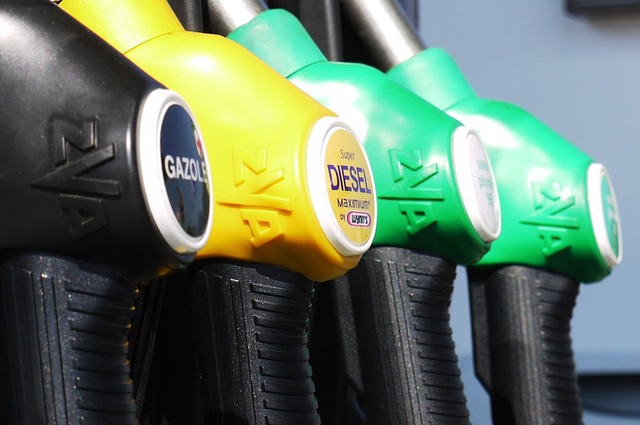
The quest for eco-friendly fuel solutions has sparked a revolution in the automotive industry, pushing manufacturers to explore alternatives beyond traditional gasoline. As the world grapples with climate change, the focus on sustainable transportation has never been more acute. This shift presents consumers with a diverse array of options, particularly when considering gasoline alternatives for cars designed for long trips. The good news is that modern technology offers a plethora of choices, from electric vehicles (EVs) to advanced internal combustion engines, each promising reduced environmental impact without compromising performance.
One notable area of progress lies in the development of high-performance gas engines. Top performing gas engines, such as those found in some luxury and sports cars, combine efficient fuel burning with sophisticated emissions control systems. For instance, the latest generation of turbocharged inline-4 and V6 engines, commonly used in premium vehicles, offer exceptional power and fuel economy. These advancements make it possible to select gasoline vehicles naturally, ensuring that drivers can enjoy both environmental responsibility and dynamic driving experiences. Furthermore, ongoing research aims to optimize these engines, promising even greater efficiency and reduced emissions in the future.
Practical insights for consumers seeking eco-friendly options include considering vehicle size and weight, as lighter models generally offer better fuel economy. Additionally, keeping an eye on government incentives and rebates for purchasing low-emission vehicles can significantly reduce costs. For long-distance travelers, best gas cars for long trips equipped with advanced engines and aerodynamic designs provide a compelling balance between performance and sustainability. Embracing these eco-friendly fuel solutions not only contributes to a greener planet but also ensures that drivers stay at the forefront of automotive innovation.
Transitioning to Select Gasoline Vehicles Naturally

The transition to sustainable transportation options is gaining momentum worldwide, with a significant focus on finding eco-friendly fuel solutions. One often overlooked yet promising area is the natural evolution of gasoline vehicles towards greater efficiency and reduced environmental impact. Select Gasoline Vehicles, designed with enhanced longevity and improved fuel economy in mind, offer a viable path forward. These vehicles leverage advanced engineering and innovative technologies to deliver up to three times better fuel savings compared to traditional models, making them an attractive option for both consumers and fleet operators seeking greener alternatives without compromising performance.
The longevity of gasoline engines is no longer solely about maximum horsepower or torque. Modern engineering has unlocked the potential to create efficient powerplants that can run cleaner and last longer. Select Gasoline Vehicles incorporate technologies such as direct injection, variable valve timing, and advanced materials to optimize combustion processes. As a result, these vehicles not only reduce greenhouse gas emissions but also offer superior fuel economy without sacrificing driving pleasure. For instance, some leading manufacturers have introduced models that achieve an impressive 50-70 miles per gallon, rivaling even the most efficient electric vehicles in certain use cases.
Adopting fuel-saving gasoline models is a strategic move towards sustainability that offers multiple benefits. It reduces reliance on fossil fuels and minimizes environmental impact without requiring a complete overhaul of existing infrastructure. Moreover, these vehicles can help extend the life of our roads as reduced fuel consumption translates to fewer trips for refueling, leading to less wear and tear. As we navigate toward a more sustainable future, embracing Select Gasoline Vehicles represents a practical step that balances performance, efficiency, and environmental responsibility, paving the way for further innovation in sustainable transportation options.
The Future of Green Energy in Transportation
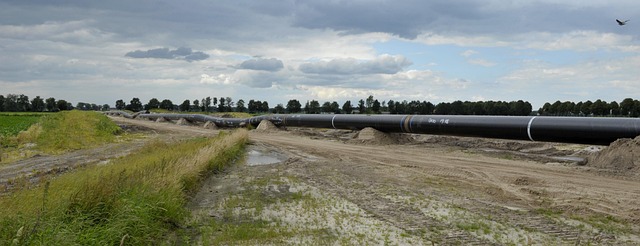
The future of green energy in transportation lies not just in electric vehicles, but also in the evolution of gasoline as a sustainable fuel source. As we look towards a more eco-conscious future, it’s crucial to recognize that gasoline cars will continue to play a significant role for years to come, especially with advancements in technology. Fuel optimized gasoline vehicles offer a promising path forward, combining efficiency and environmental responsibility.
One notable development is the emergence of gasoline cars under $20k that boast impressive fuel economy. These models are designed with modern engineering to reduce emissions and optimize performance, making them attractive options for environmentally conscious consumers without compromising affordability. For instance, many manufacturers are now offering compact and subcompact gasoline vehicles with advanced engines, enabling them to achieve 40+ miles per gallon in city driving conditions.
Furthermore, the longevity of gasoline engines is being enhanced through innovative design and materials. Modern gasoline engines can last up to three times longer than their predecessors when properly maintained, reducing the need for frequent replacements and contributing to a more sustainable cycle. This extends not only the life of vehicles but also minimizes waste, as parts can be reused or recycled. As technology progresses, we can expect even greater advancements in fuel efficiency and engine longevity, making gasoline-powered vehicles an increasingly viable green energy solution.
To maximize these benefits, consumers should prioritize purchasing fuel-efficient models from reputable manufacturers known for their commitment to environmental sustainability. Regular maintenance and timely upgrades to the latest engine technologies will also play a significant role in extending the life of gasoline vehicles and ensuring they remain competitive with electric alternatives. By embracing these practical steps, we can collectively drive towards a greener future while leveraging the advantages of both electric and gasoline-powered transportation.
As we look to a sustainable future, adopting eco-friendly fuel solutions is imperative. This article has provided an in-depth exploration of various green energy options for transportation, highlighting their potential impact on reducing our carbon footprint. One key takeaway is the promise of Select Gasoline Vehicles naturally as a viable transition path. By embracing these innovative vehicles, we can significantly decrease emissions while still leveraging existing infrastructure. Furthermore, the future looks bright with advancements in green energy technologies promising even more efficient and cleaner transportation options. To move forward effectively, individuals and industries alike should stay informed about these developments, invest in research and adoption, and support policies fostering a greener transportation sector. This collective effort will ensure we navigate towards a sustainable tomorrow.