

Selecting gasoline vehicles (GVs) with superior gas efficiency is a powerful way to reduce environmental impact and save on fuel costs. Modern GVs incorporate advanced technologies like direct injection and turbocharging for improved performance and lower emissions. Key options include hybrid electric vehicles (HEVs), natural gas vehicles (NGVs), and biofuels, catering to diverse driving needs. When upgrading, consider engine type, aerodynamic design, and durability. Models like Toyota Prius, Honda Civic, Mazda3, and Hyundai Elantra offer excellent fuel economy and robust build quality. Research EPA ratings, safety features, and consumer reviews before purchasing. Choosing gas-efficient GVs is an environmentally responsible decision and a financial investment in your driving experience.
In today’s world, where environmental concerns are at the forefront of global discourse, the transition to more sustainable transportation has become imperative. The excessive use of gasoline vehicles contributes significantly to air pollution and climate change, underscoring the urgent need for a greener alternative. This article aims to guide readers through the process of upgrading to a gas-efficient car, offering a practical solution to mitigate environmental impact. We will delve into various factors, from technological advancements in hybrid and electric vehicles to cost-effective strategies for making the switch, empowering individuals to make informed choices that benefit both their wallets and the planet.
- Understand Gas Efficiency: The Basics
- Explore Modern Gas-Efficient Car Options
- Assess Your Driving Needs and Habits
- Compare Fuel Economy: Research Vehicles
- Select the Right Gasoline Vehicle for You
- Transition: Tips for Switching to a New Car
Understand Gas Efficiency: The Basics
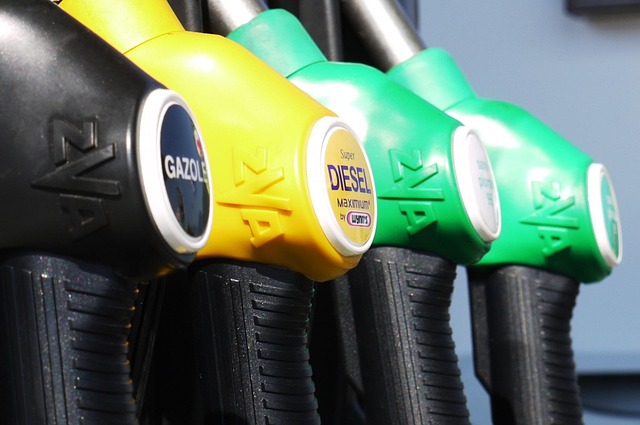
Gas efficiency is a critical factor for environmentally conscious consumers looking to make informed choices about their vehicles. Understanding the basics of gas mileage involves grasping key metrics like miles per gallon (MPG) and learning how various factors influence fuel economy. When selecting a gasoline vehicle, it’s essential to look beyond traditional performance benchmarks and prioritize eco-conscious gas vehicle choices that offer both efficient and powerful driving experiences.
Choosing an affordable green gas car doesn’t mean sacrificing performance; modern vehicles engineered for superior fuel efficiency seamlessly blend environmental responsibility with driving pleasure. For instance, hybrid models like the Toyota Prius have long been recognized for their outstanding MPG ratings, demonstrating that efficient and powerful gas cars aren’t just conceptual—they’re readily available in today’s market. According to recent data, the average American driver can expect to save hundreds of dollars annually by opting for a fuel-efficient vehicle, making this an economically viable path toward sustainability.
When upgrading to a gas-efficient car, consider factors like engine type (e.g., four-cylinder, turbocharged), aerodynamic design, and advanced technologies that minimize drag and optimize fuel use. Additionally, exploring used markets for eco-conscious models can offer significant cost savings without compromising on efficiency or performance. For those committed to driving an affordable green gas car, consulting trusted environmental organizations and reading independent reviews provides valuable insights into the best available options tailored to individual needs and preferences.
Explore Modern Gas-Efficient Car Options

The upgrade to a gas-efficient car presents an excellent opportunity for drivers to reduce their environmental impact while optimizing fuel costs. When exploring modern options, consumers are met with an array of innovative gasoline vehicles designed to offer superior performance alongside enhanced efficiency. This evolution in automotive technology is driven by advancements in engine design, lightweight materials, and sophisticated fuel injection systems that collectively contribute to significant reductions in both emissions and fuel consumption.
One prominent trend in the market is the rise of low emissions gasoline vehicles, which have become increasingly refined over the years. These cars employ cutting-edge technologies such as direct injection and turbocharging to deliver powerful performance while maintaining stringent emission standards. For instance, modern four-cylinder engines with these features can achieve fuel economy ratings exceeding 30 miles per gallon in city driving, representing a substantial leap from older models. Furthermore, hybrid gasoline-electric powertrains continue to gain popularity, offering drivers the best of both worlds: the efficiency of electric propulsion and the range of traditional gasoline power.
Selecting a gasoline vehicle need not compromise on affordability or maintainability. Modern gasoline vehicles are designed with cost-effective maintenance in mind, with many manufacturers offering extended service intervals that reduce frequent visits to service centers. Moreover, low emissions gasoline vehicles often share common components across models, leading to lower overall ownership costs. For those seeking exceptional value, used models from recent years can provide outstanding fuel economy without breaking the bank. Data from the U.S. Department of Energy indicates that choosing a highly efficient vehicle, such as a plug-in hybrid or electric car, can save an average driver up to $700 annually on fuel costs compared to a traditional gasoline car.
Assess Your Driving Needs and Habits
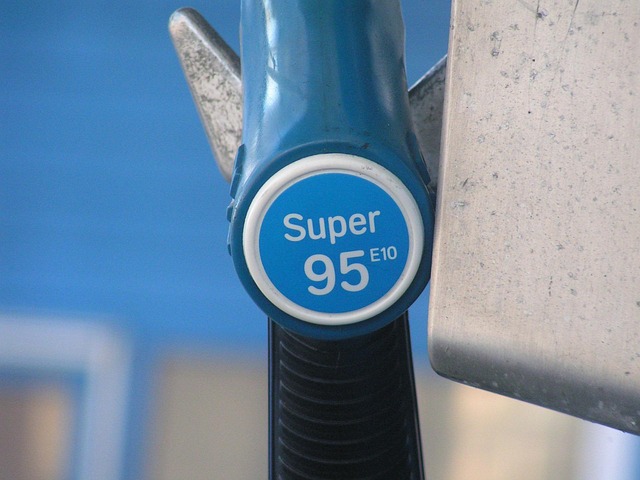
When considering an upgrade to a gas-efficient car, the first step is to assess your driving needs and habits. This crucial step ensures that you select the best gasoline car for fuel efficiency, aligning with your daily requirements and long-term goals. Factors such as commute distance, frequency of long-haul trips, and whether you primarily drive in urban or rural areas significantly influence fuel economy. For instance, a frequent long-distance traveler might benefit more from a hybrid vehicle, while someone primarily navigating city traffic could excel with a compact car with advanced engine technology.
Understanding your driving habits also involves recognizing your budget and maintenance expectations. Affordability is a key aspect when considering the longevity of gasoline engines. Today’s market offers a wide range of affordable reliable gas cars, featuring advanced engineering that enhances both performance and fuel efficiency. Vehicles like the Toyota Corolla and Honda Civic have long been recognized for their outstanding fuel economy and robust engine longevity, making them excellent choices for cost-conscious buyers.
Moreover, focusing on the best gasoline cars for fuel efficiency opens doors to innovative technologies designed to minimize fuel consumption. Modern gasoline engines are engineered with efficiency in mind, employing advanced systems such as direct injection, variable valve timing, and turbocharged engines. These technologies not only boost fuel economy but also contribute to the overall longevity of the vehicle. For example, the latest generation of gasoline engines can achieve fuel efficiency comparable to their hybrid counterparts, making them a compelling choice for environmentally conscious drivers seeking to minimize their carbon footprint.
Compare Fuel Economy: Research Vehicles

When considering an upgrade to a gas-efficient car, one of the most critical steps is comparing fuel economy across various models. The selection process involves more than just aesthetics; it requires an in-depth look at durability and affordability. Researching gasoline vehicles with superior fuel efficiency can help reduce both your environmental footprint and financial burden. According to the U.S. Department of Energy, choosing a vehicle with good fuel economy can save you thousands of dollars over the life of the car.
Durable gasoline car models like the Toyota Prius and Honda Civic have long been recognized for their superior fuel saving capabilities. These vehicles not only offer impressive miles per gallon (MPG) figures but also possess robust build quality, ensuring they remain reliable for years. For instance, the 2022 Toyota Prius, with its hybrid powertrain, delivers an estimated 58 MPG in city driving and 53 MPG on highways, making it one of the most fuel-efficient choices available. Similarly, the Honda Civic, especially in its hybrid variant, offers competitive fuel economy numbers that rival many larger vehicles.
When looking for affordable reliable gas cars, consider models like the Mazda3 or Hyundai Elantra. These compact vehicles not only boast attractive designs but also provide excellent value for money. The 2022 Mazda3, equipped with a 2.5L engine, delivers an estimated 28 MPG in city driving and 38 MPG on highways. The Hyundai Elantra, too, offers competitive fuel economy figures, particularly its Hybrid model, which delivers around 57 MPG in combined city/highway driving, according to the EPA. By selecting a fuel-efficient car from these durable gasoline car models, you not only contribute to environmental conservation but also ensure long-term savings on your fuel expenses.
Select the Right Gasoline Vehicle for You

When considering an upgrade to a gas-efficient car, the initial task is to select the right gasoline vehicle that aligns with your needs and values. This decision involves navigating a landscape of options, from conventional hybrids to alternative fuels like green gasoline. The key lies in understanding your driving habits, budget, and environmental impact goals. For instance, hybrid electric vehicles (HEVs) offer significant fuel savings by combining a traditional engine with an electric motor, making them a popular choice for urban commuters. According to recent data, HEVs can achieve up to 50% better fuel economy than comparable non-hybrid models.
However, the market is evolving beyond hybrids, with green gasoline alternatives such as natural gas vehicles (NGVs) and biofuels gaining traction. NGVs run on compressed natural gas, offering lower emissions and cost savings for longer-distance drivers. Biofuels, derived from renewable sources like corn or algae, present another sustainable option but require careful consideration of their environmental footprint to ensure they contribute positively to greenhouse gas reductions. An affordable green gas car example is the Ford F-150 Flex Fuel, capable of running on either gasoline or ethanol-blended fuel.
Practical insights for consumers include researching vehicle efficiency ratings, considering federal tax incentives for green cars, and exploring local availability of alternative fuels. Affordable green gas cars like the Toyota Prius (known for its hybrid technology) or modern NGV models from manufacturers like Chevrolet offer compelling combinations of cost-effectiveness and reduced environmental impact. Ultimately, selecting a gasoline vehicle should be an informed process that balances performance, affordability, and your personal commitment to sustainability.
Transition: Tips for Switching to a New Car

Transitioning to a gas-efficient car is a significant step towards reducing your environmental footprint and saving on fuel costs. When making this change, consider looking beyond hybrid or electric vehicles; gasoline cars have made remarkable strides in efficiency and performance. Select Gasoline Vehicles (GVs) that offer excellent safety ratings, such as the Top Safety Pick+ from the Insurance Institute for Highway Safety (IIHS), ensuring both your safety and peace of mind on the road.
Affordable luxury gas sedans like the Toyota Camry Hybrid or Honda Accord Hybrid provide a blend of comfort, sophistication, and fuel economy. For those seeking top-performing gas engines, consider models equipped with advanced turbochargers or direct injection technology. The 2023 Ford Mustang EcoBoost, for instance, boasts an impressive combination of power and efficiency, delivering up to 35 mpg in combined city/highway driving. Similarly, the 2022 Subaru WRX S/C offers a balanced blend of performance and fuel economy, making it a standout choice among gasoline cars with excellent safety records.
Before making a purchase, research and compare various models based on your specific needs and budget. Consider factors like fuel efficiency ratings from the Environmental Protection Agency (EPA), available safety features, and consumer reviews to ensure you select a GV that aligns with your expectations. Remember, choosing a gas-efficient car is not just an environmental decision; it’s an investment in your financial well-being and overall driving experience.
By understanding gas efficiency fundamentals, exploring modern car options, and assessing personal driving needs, readers can make informed decisions when selecting gasoline vehicles. Researching fuel economy, comparing vehicle models, and considering their unique requirements empower individuals to choose cars that offer both excellent performance and superior cost savings. This article provides a comprehensive roadmap for navigating the transition to a gas-efficient vehicle, ensuring readers gain practical insights and make sensible choices for their future transportation needs.