

Advanced Gas Engine Design revolutionizes modern gasoline vehicles, offering improved efficiency, reduced emissions, and enhanced performance. Select Gasoline Vehicles incorporate direct injection, turbocharging, and lightweight materials for superior fuel economy. Hybrid systems and green alternatives contribute to a sustainable driving future. Optimal selection balances performance, efficiency, and affordability, with crossovers and compact sedans offering the best value. Future trends include sophisticated combustion processes, hybridization, and advanced materials for even more efficient and environmentally-friendly gasoline cars.
The automotive industry is undergoing a significant transition towards more efficient and sustainable power sources, with advanced gas engine technology at the forefront. As we navigate towards a greener future, the need to enhance gasoline vehicle performance while reducing emissions has never been more critical. The traditional internal combustion engine faces challenges in meeting modern environmental standards, prompting engineers to explore innovative solutions. This article delves into cutting-edge advancements in gas engine technology, offering a glimpse into the future of cleaner, more powerful transportation. By examining these developments, we can anticipate significant improvements in select gasoline vehicles’ overall efficiency and ecological footprint.
- Understanding Advanced Gas Engine Design
- Advantages of Modern Gasoline Vehicles
- Selection Criteria for Optimal Performance
- Future Trends in Gas Engine Technology
Understanding Advanced Gas Engine Design
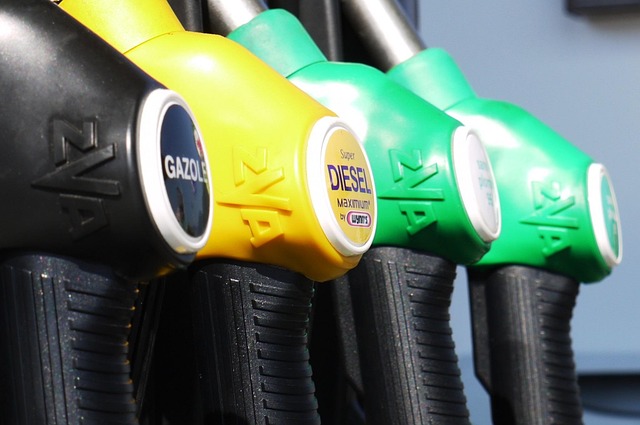
Advanced Gas Engine Design plays a pivotal role in shaping the future of eco-friendly driving experiences. Modern gasoline vehicles are undergoing a metamorphosis, transitioning from traditional engines to sophisticated systems that balance performance with sustainability. These advancements are not just about reducing emissions; they encompass improving efficiency, enhancing safety, and offering drivers an unparalleled experience behind the wheel.
One notable trend is the integration of advanced combustion technologies. Modern gas engines employ precise fuel injection systems and optimized ignition timing to ensure efficient burning, minimizing unburned fuel and associated emissions. For instance, direct injection technology, a common feature in many modern gasoline cars with excellent safety ratings, allows for better control over the combustion process, resulting in improved fuel economy and reduced pollutants. This shift towards precision engineering is not only benefiting the environment but also enhancing the overall driving experience by providing smoother power delivery and responsive acceleration.
Furthermore, the development of hybrid and electric vehicle (EV) powertrains is complementing gas engine technology, fostering the growth of sustainable gas-powered vehicles. Hybrid systems, such as those found in some high-performance select gasoline vehicles, seamlessly combine internal combustion engines with electric motors, offering significant fuel savings and lower emissions without compromising on driving dynamics. As global efforts to combat climate change intensify, automakers are investing heavily in these technologies, leading to the creation of more efficient and environmentally conscious gasoline cars.
In navigating this landscape, consumers have a growing array of eco-friendly options, including gasoline vehicles with impressive safety records and reduced carbon footprints. By understanding these advanced gas engine designs, drivers can make informed decisions, contributing to a future where sustainable driving experiences are not just an option but the norm.
Advantages of Modern Gasoline Vehicles

Modern gasoline vehicles offer a host of advantages over their older counterparts, driven by advancements in engine technology and a commitment to sustainability. One of the most compelling benefits is the improvement in fuel efficiency, largely attributable to sophisticated combustion processes that optimize energy extraction from every drop of gasoline. For instance, modern engines employ direct injection systems, where fuel is precisely metered and injected into the combustion chamber, leading to cleaner burns and reduced fuel consumption.
Furthermore, select gasoline vehicles incorporate advanced technologies such as turbocharging and supercharging, which boost engine performance while maintaining reasonable fuel economy. These systems force more air into the engine, allowing it to burn fuel more efficiently. As a result, drivers can expect longer ranges on a single tank and lower operating costs, including the low-cost gasoline car maintenance that is a hallmark of modern vehicles.
The transition towards green gasoline alternatives is another significant trend shaping the future of gasoline vehicles. Biofuels, derived from renewable sources like corn, sugarcane, and algae, offer a promising path to reducing carbon emissions associated with traditional petroleum-based fuels. While these alternatives may initially face challenges in terms of cost and availability, ongoing research and development efforts promise to make them more accessible and competitive in the coming years. As consumers become increasingly conscious of environmental impact, gasoline vehicles with advanced technology that incorporates biofuels will likely gain popularity, offering both performance and sustainability.
In conclusion, choosing modern gasoline vehicles provides drivers with improved efficiency, lower operating costs, and a pathway towards greener transportation options through innovative technologies and alternative fuel sources. These advancements not only benefit individual consumers but also contribute to broader environmental goals by reducing the carbon footprint of the automotive sector.
Selection Criteria for Optimal Performance

When exploring advanced gas engine technology for optimal performance, several key criteria must be considered. Firstly, selecting the right Gasoline Vehicles is paramount. In today’s market, affordable green gas cars offer not only excellent fuel efficiency but also reduced environmental impact. For instance, top-rated gasoline crossovers like the Toyota RAV4 and Honda CR-V provide robust performance while maintaining low cost gasoline car maintenance.
One of the critical factors in achieving optimal performance is engine efficiency. Advanced technologies such as direct injection and variable valve timing significantly enhance combustion, resulting in better power outputs and reduced emissions. Additionally, lightweight materials and aerodynamic designs further contribute to improved fuel economy. For example, many modern gas engines incorporate aluminum alloys and streamlined exteriors to diminish overall vehicle weight, thereby enhancing both performance and efficiency.
Another essential aspect is regular maintenance. Establishing a consistent maintenance schedule for your gasoline vehicle ensures optimal engine health over the long term. This includes routine oil changes, air filter replacements, and checking tire pressure. According to industry data, properly maintained vehicles can see up to a 10% improvement in fuel economy. Furthermore, low cost gasoline car maintenance becomes more manageable when preventive care is prioritized, ultimately extending the life of your engine and enhancing overall performance.
Ultimately, balancing performance, efficiency, and affordability is crucial. When considering affordable green gas cars, research top models based on user reviews and expert ratings. Crossovers and compact sedans often offer the best combination of features and cost-effectiveness. By carefully selecting Gasoline Vehicles that meet these criteria, drivers can enjoy superior performance while contributing to a more sustainable future.
Future Trends in Gas Engine Technology

The future of gas engine technology promises significant advancements, shaping the landscape of gasoline cars under 20k and beyond. As the automotive industry continues to evolve, focusing on efficiency and performance, engineers are developing innovative solutions to create powerful yet environmentally friendly gasoline vehicles with advanced technology. One notable trend is the transition towards more sophisticated combustion processes, which enhance fuel efficiency while reducing emissions. For instance, direct injection systems, coupled with turbocharging, have become prevalent in modern gas engines. These technologies enable precise control of air-fuel mixture, resulting in improved power output and better fuel economy.
Moreover, the integration of hybridization and electric vehicle (EV) technology into gasoline cars is gaining momentum. Many manufacturers are exploring hybrid powertrains that seamlessly combine internal combustion engines with electric motors, offering drivers efficient and powerful gas cars. This fusion of technologies not only reduces fuel consumption but also enhances overall performance. As an example, the latest generation of plug-in hybrids can travel significant distances in all-electric mode, providing a more sustainable driving experience while still leveraging the advantages of gasoline vehicles. With advancements in battery technology, we can expect even longer electric ranges in future gasoline vehicles with advanced technology.
Additionally, the focus on lightweight materials and aerodynamic designs will continue to drive innovation. Manufacturers are investing heavily in developing lighter alternatives to traditional metals, such as aluminum alloys and carbon fiber composites. These materials contribute to reduced vehicle weight, leading to improved fuel efficiency and handling dynamics. In terms of practical applications, gasoline vehicles with advanced technology, like smart materials and adaptive aerodynamics, can optimize their performance based on driving conditions, ensuring both efficient cruising and powerful acceleration.
By delving into advanced gas engine technology, we’ve uncovered significant insights that underscore the importance of modern gasoline vehicles. Key takeaways include understanding intricate design elements, leveraging the advantages of contemporary engines, and employing strategic selection criteria for optimal performance. Future trends hint at revolutionary changes, promising enhanced efficiency and sustainability. For readers looking to make informed decisions, selecting Gasoline Vehicles becomes a strategic endeavor, balancing performance, technology, and environmental considerations. This authoritative article equips you with the knowledge to navigate this evolving landscape, fostering a more sustainable and efficient future in transportation.