

Understanding fuel consumption is crucial for optimizing performance and efficiency in gasoline vehicles. Key factors include vehicle weight, aerodynamics, and engine power. Select Gasoline Vehicles that prioritize these aspects for better mileage and reduced environmental impact. Adopt practical driving habits like maintaining steady speeds and proper maintenance for significant cost savings and sustainability. Modern technology enhances fuel economy through advanced engines, regenerative braking, and connected car systems. Prioritize eco-friendly models and safety features when choosing under $20k gas cars for long-term efficiency and affordability.
In today’s world, optimizing fuel economy is not just a matter of personal financial savings but also an environmental imperative. With rising gasoline costs and stringent emissions regulations, understanding how to maximize efficiency in select gasoline vehicles becomes crucial for both drivers and policymakers. This article provides a comprehensive guide to unlocking the potential of your gas-powered vehicle through practical tips. We’ll explore strategies that range from routine maintenance and driving habits to advanced technologies, helping you navigate the complexities and achieve better fuel economy.
- Understanding Fuel Consumption: Basics for Gas Vehicles
- Choose the Right Gasoline Vehicle: Efficient Models Highlighted
- Optimal Driving Practices: Saving Fuel Through Technique
- Maintenance and Tire Care: Enhancing Fuel Economy
- Advanced Features: Modern Tech for Better Mileage
Understanding Fuel Consumption: Basics for Gas Vehicles
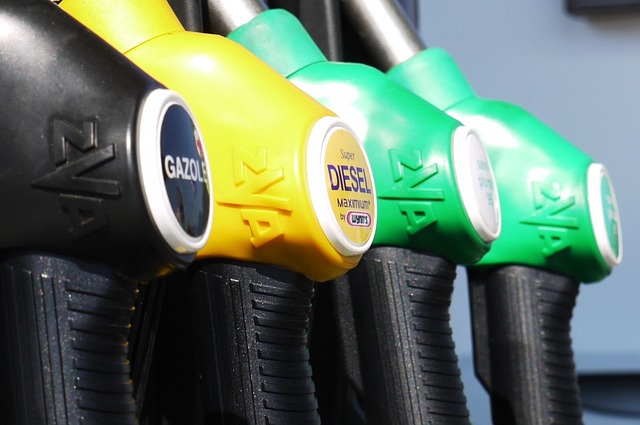
Understanding fuel consumption is a cornerstone for optimizing performance and efficiency in gasoline vehicles. To begin, it’s crucial to grasp that fuel economy isn’t just about choosing the right select gasoline vehicles; it’s also about adopting eco-friendly driving habits. For instance, maintaining a steady speed avoids sudden accelerations and decelerations, which can significantly impact fuel usage. Top-rated gasoline crossovers often impress with their impressive fuel economy, thanks in part to advancements in engine technology and aerodynamic design.
Key factors that influence fuel consumption include vehicle weight, aerodynamics, and engine power. Heavier vehicles generally require more energy to move, while sleek designs minimize drag, improving efficiency. Modern eco-conscious gas vehicle choices prioritize these aspects, offering drivers not only better mileage but also reduced environmental impact. For example, some midsize sedans achieve over 30 miles per gallon (mpg) on the highway, showcasing significant advancements in fuel economy technology.
Selecting a gasoline vehicle that aligns with your needs and eco-conscious values is a crucial step. Top-rated gasoline crossovers, known for their versatility and efficiency, can provide excellent fuel economy without compromising on space or comfort. By understanding these basics and adopting practical driving habits, you can enhance the overall eco-friendly driving experience, contributing to both cost savings and environmental sustainability.
Choose the Right Gasoline Vehicle: Efficient Models Highlighted
When considering fuel economy tips for gasoline vehicles, one of the most effective strategies is to start with the right choice. Select gasoline vehicles designed with efficiency in mind—these eco-conscious gas vehicle choices not only reduce fuel consumption but also contribute to a greener environment. The market offers a range of eco-friendly gasoline options, from hybrid models to those equipped with advanced engines that minimize emissions and optimize fuel use.
For instance, modern, fuel-saving gasoline models like the Toyota Prius and Honda Insight have set benchmarks in efficiency, achieving up to 58 miles per gallon (MPG) in city driving. These vehicles demonstrate that outstanding fuel economy is achievable without compromising performance or comfort. Other notable examples include compact cars like the Ford Fiesta and Hyundai i20, which offer excellent MPG ratings while maintaining affordability and practicality for everyday use.
When making your selection, consider vehicle size and purpose. For urban commutes, smaller, lightweight cars are ideal as they require less energy to operate. SUVs and larger vehicles, while not known for their fuel efficiency, have made significant strides in this area with advanced technologies. Some modern SUV models can achieve 25-30 MPG on average, representing a substantial improvement over previous generations. Remember that the right choice isn’t just about current ratings; it’s also about long-term sustainability and the vehicle’s compatibility with your driving habits.
Optimal Driving Practices: Saving Fuel Through Technique

Optimal driving practices are a powerful tool for maximizing fuel economy in gasoline vehicles, ensuring both cost savings and environmental benefits. When it comes to select gasoline vehicles that offer efficient and powerful performance, understanding how your car’s engine works is key. Modern gas cars have made significant strides in engine longevity and efficiency, with many models now offering remarkable fuel efficiency without compromising power.
For instance, advanced technologies like direct injection and variable valve timing have become standard features in top-rated fuel-efficient gasoline cars. These innovations enable precise fuel metering and optimal valve control, resulting in reduced fuel consumption. Vehicles like the Toyota Prius and Honda Civic Hybrid have long been recognized as leaders in this area, demonstrating that efficient gas cars can offer both robust performance and impressive mileage.
Effective driving techniques play a pivotal role in achieving these levels of efficiency. Smooth and gentle acceleration, for example, minimizes the strain on the engine, thereby saving fuel. Avoiding sudden starts and hard braking also contributes significantly to improved fuel economy. Many modern vehicles are equipped with intelligent transmission systems that adapt to driving conditions, further enhancing efficiency. Additionally, maintaining a steady speed within recommended ranges reduces drag, allowing your car to consume less gas.
Regular maintenance is another critical aspect of maximizing the longevity of your gasoline engine and its fuel efficiency. Keeping your car well-oiled, ensuring timely filter replacements, and adhering to manufacturer recommendations for service can significantly impact performance and mileage. By adopting these optimal driving practices and choosing efficient and powerful gas cars, drivers can enjoy both cost savings and a reduced environmental footprint, contributing to a greener future.
Maintenance and Tire Care: Enhancing Fuel Economy

Proper maintenance and tire care can significantly enhance fuel economy in gasoline vehicles, particularly high mileage SUVs, fuel saving models, and efficient family gas cars. Regularly checking and replacing air filters as recommended by the manufacturer can improve airflow, allowing engines to operate more efficiently. The U.S. Department of Energy estimates that a dirty air filter can reduce fuel efficiency by up to 10%. Additionally, ensuring your vehicle’s tires are properly inflated at the pressure specified in the owner’s manual can lower rolling resistance, conserving fuel and extending tire life.
Rotating tires according to the manufacturer’s schedule is another vital step. This practice promotes even wear, maintaining tire alignment and reducing the risk of costly imbalances. Well-maintained tires deliver better grip, enhance safety, and contribute to a smoother ride—all factors that can positively influence fuel economy. For example, a study by the Rubber Manufacturers Association found that 37% of drivers who haven’t rotated their tires in the past year experienced reduced fuel efficiency.
Furthermore, addressing any issues with your vehicle’s alignment or suspension can pay dividends in terms of fuel savings. Misaligned wheels can cause uneven tire wear and increased drag on the road surface, leading to a higher fuel consumption. Regular checks for worn parts or loose components in these systems are essential. Selecting gasoline vehicles known for their superior fuel efficiency, such as modern hybrids or models with advanced engine technologies, provides an excellent foundation for maximizing fuel economy through proper care and maintenance.
Advanced Features: Modern Tech for Better Mileage

Modern technology plays a pivotal role in enhancing fuel economy across various gasoline vehicles on the market today. The rise of advanced features has significantly contributed to improving mileage, making it easier for drivers to navigate and reduce their environmental footprint. One notable example is the integration of intelligent engine management systems that optimize performance based on real-time driving conditions. These systems can adapt to driver behavior, adjusting power output and fuel injection precisely, leading to substantial savings in fuel consumption.
For those seeking green gasoline alternatives without compromising on affordability or performance, modern hybrids and electric vehicle (EV) options are worth considering. Vehicles like the Toyota Prius, known for its impressive fuel economy, offer a balance between gasoline power and electric propulsion. Similarly, many modern families opt for efficient gas cars such as the Honda Civic or Toyota Corolla, which deliver superior mileage without breaking the bank. These vehicles typically feature advanced technologies like regenerative braking, where kinetic energy is captured during deceleration, converting it back into electrical energy to recharge the battery, thereby improving overall efficiency.
Another technological advancement worth highlighting is the introduction of connected car systems. These devices allow drivers to monitor real-time fuel consumption data and offer personalized recommendations for optimizing mileage. By providing insights into driving patterns, these systems encourage more efficient habits, such as avoiding aggressive acceleration or idling for extended periods. According to recent studies, adopting more eco-conscious driving behaviors can lead to a 10-15% improvement in fuel economy, making it an accessible and effective way to reduce gasoline consumption.
When selecting a gasoline vehicle, prioritize models with advanced safety features like adaptive cruise control and lane-keeping assist, as these systems not only enhance driver assistance but also contribute to more efficient driving. Additionally, keep an eye out for vehicles equipped with modern infotainment systems that promote safer and more focused driving by providing hands-free connectivity and voice command capabilities. Investing in such technology can ensure you stay up-to-date with the latest fuel-saving innovations while choosing from gasoline cars under $20k or exploring green alternatives, ultimately leading to significant cost savings over time for efficient family gas cars.
By understanding fuel consumption fundamentals, adopting optimal driving practices, and prioritizing regular maintenance, including tire care, drivers can significantly enhance their gasoline vehicles’ fuel economy. Selecting the right gasoline vehicle, such as those highlighted for efficiency, is a crucial step in achieving better mileage. Additionally, leveraging modern tech features and adhering to expert-recommended practices ensures substantial savings at the pump. These comprehensive insights empower readers to make informed decisions, resulting in more efficient driving experiences and reduced environmental impact.