

Modern gas sedans offer diverse options with improved fuel efficiency and green alternatives like biofuels. Key considerations for Select Gasoline Vehicles include engine technology (e.g., turbocharged), advanced safety features, and environmental impact. Reputable brands provide reliable models known for efficiency and low maintenance. High-mileage hybrids from Toyota and Honda lead in sustainability while balancing performance. Informed choices cater to individual needs, promote cost savings, and drive innovation toward greener transportation.
In the ever-evolving automotive landscape, consumers are increasingly focused on efficiency and environmental impact. Among the most debated choices are modern gas sedans—a segment that has seen significant advancements in recent years. Select gasoline vehicles offer a critical bridge between performance and sustainability, catering to diverse driving needs. However, with numerous models available, navigating this market can be challenging. This article provides an authoritative comparison of contemporary gas sedans, delving into their engine specifications, fuel economy, safety features, and environmental impact. By the end, readers will have a clear understanding of the best options tailored to their requirements.
- Understanding Modern Gas Sedans: An Overview
- Key Performance Metrics to Consider
- Advantages and Disadvantages of Each Model
- Select Gasoline Vehicles: Efficiency and Fuel Economy
- Comparing Safety Features and Technologies
- Environmental Impact and Sustainability Analysis
Understanding Modern Gas Sedans: An Overview
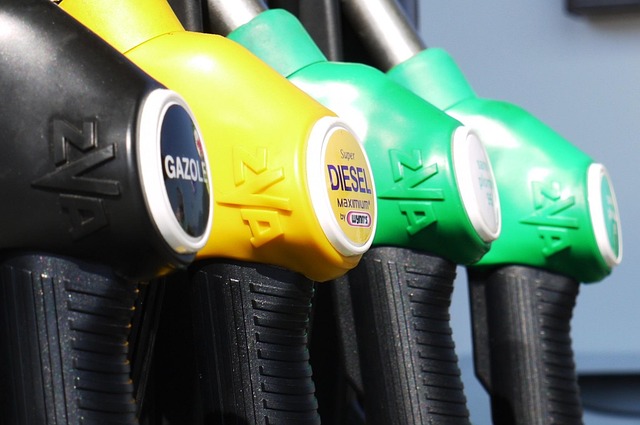
Modern gas sedans, often overlooked in discussions about sustainable transportation, remain a vital segment of the automotive market. When selecting a gasoline vehicle, understanding the current landscape is crucial. Today’s offerings range from traditional high-performance models to more eco-friendly alternatives, reflecting evolving consumer preferences and environmental concerns. Key factors like fuel efficiency, emissions output, and green gasoline alternatives play a significant role in shaping this market.
For instance, leading manufacturers have introduced advanced engines that deliver improved mileage without compromising power. Hybrid and mild hybrid systems are gaining traction, offering efficient gas-electric propulsion as practical solutions for daily commuting. Moreover, the emergence of green gasoline alternatives has expanded options for environmentally conscious buyers. Biofuels, such as ethanol and biodiesel, are increasingly available, reducing reliance on conventional fossil fuels. These alternatives not only contribute to lower emissions but also provide a path towards greater sustainability.
Selecting a suitable gas sedan involves evaluating these factors. Consumers can opt for models featuring modern engine technologies that prioritize fuel efficiency. Incorporating green gasoline options into the decision-making process ensures a more sustainable choice without sacrificing performance or range. With ongoing advancements, the future of gas sedans promises even better alternatives, allowing drivers to make informed decisions while contributing to a greener environment. Acting on these insights can guide individuals toward owning vehicles that meet their needs while respecting ecological balance.
Key Performance Metrics to Consider
When comparing modern gas sedans, key performance metrics are essential indicators of a vehicle’s overall efficiency and driving experience. One critical aspect to consider is gasoline alternatives for cars, as advancements in technology have led to a wide range of efficient and powerful gas-powered vehicles on the market. For instance, turbocharged engines offer enhanced fuel economy without compromising performance, making them a popular choice among modern gasoline car designs.
Select Gasoline Vehicles should not only be judged by their horsepower but also by metrics like torque delivery, which plays a pivotal role in accelerating from 0 to 60 mph. A smooth and responsive engine can significantly enhance the driving experience, especially in urban settings where frequent stops and starts are common. Furthermore, modern sedans often incorporate advanced transmission systems, such as dual-clutch automatic transmissions, that contribute to improved fuel efficiency and smoother gear changes.
Efficient and powerful gas cars also benefit from innovative design features that reduce drag and optimize aerodynamics. For example, sleek profiles and streamlined body shapes can decrease fuel consumption at higher speeds. Some leading manufacturers are integrating advanced materials and lightweight construction techniques into their modern gasoline car designs to achieve both performance and efficiency goals. These designs not only enhance driving dynamics but also contribute to longer vehicle lifespans and reduced environmental impact.
In terms of actionable advice, consumers should consider test-driving various models to get a firsthand feel for the vehicle’s performance. Manufacturer data on fuel economy estimates and real-world testing results can provide valuable insights as well. By balancing power, efficiency, and modern gasoline car design elements, buyers can make informed decisions that meet their specific needs while contributing to a more sustainable future.
Advantages and Disadvantages of Each Model

When comparing modern gas sedans, understanding the advantages and disadvantages of each model is key to making an informed decision. One prominent advantage of selecting a gasoline vehicle is their proven durability. Reputable brands like Toyota and Honda are renowned for producing cars with robust engines and reliable performance, ensuring years of trouble-free driving. For instance, the Toyota Camry has consistently ranked high in reliability studies, thanks to its efficient gas mileage and low maintenance costs.
However, not all gas sedans offer the same advantages. Some models may suffer from higher fuel consumption rates or more frequent maintenance requirements. It’s also worth noting that traditional gasoline alternatives have environmental implications, contributing to greenhouse gas emissions. This has prompted automotive manufacturers to explore green gasoline alternatives, such as hybrid and electric vehicles. For eco-conscious consumers, hybrid sedans like the Toyota Prius offer significant fuel savings and reduced environmental impact without compromising performance.
Moreover, choosing a durable gasoline car model from reputable brands can lead to better resale value and longer-term cost savings. Models known for their longevity, such as the Honda Accord, often retain their value over time, making them attractive options for those seeking both quality and affordability. As the automotive landscape evolves, consumers have more options than ever, including a growing array of green gasoline alternatives that balance performance with environmental responsibility. Ultimately, selecting the right gas sedan depends on individual needs, priorities, and preferences, whether it’s durability, efficiency, or environmental impact.
Select Gasoline Vehicles: Efficiency and Fuel Economy

When considering Select Gasoline Vehicles, efficiency and fuel economy are paramount for both budget-conscious consumers and eco-conscious drivers. High performance gas engines have evolved significantly, offering powerful yet economical options that deliver impressive miles per gallon (MPG). For instance, modern turbocharged four-cylinder engines can surpass 30 MPG in city driving and over 40 MPG on highways, thanks to advancements in direct injection and lighter materials.
Top gasoline cars for fuel efficiency, such as the Toyota Prius and Honda Insight, consistently top consumer reports and EPA rankings. These models combine efficient engines with streamlined aerodynamics and smart technology to minimize energy waste. For those seeking a balance between performance and economy, vehicles like the Mazda3 and Hyundai Elantra offer compelling combinations of dynamic driving dynamics and outstanding fuel efficiency.
Beyond fuel savings, eco-friendly driving experiences have become increasingly accessible. Advanced engine management systems and regenerative braking technologies further enhance efficiency by recovering energy normally lost during deceleration. This not only improves fuel economy but also contributes to a reduced environmental footprint. As global awareness grows, automakers are investing heavily in developing better Select Gasoline Vehicles that offer both high performance and sustainability, ensuring drivers can enjoy responsible, efficient motoring.
Comparing Safety Features and Technologies

When comparing modern gas sedans with an emphasis on safety features and technologies, it’s crucial to consider advancements that go beyond traditional crash avoidance systems. Today’s gasoline vehicles are equipped with sophisticated driver assistance systems (ADAS) such as forward collision warning, automatic emergency braking, lane departure warning, and adaptive cruise control. These systems not only enhance driver awareness but also actively intervene when necessary, significantly reducing the risk of accidents.
One notable trend is the integration of advanced driver-assistance systems (ADAS) across various segments, including entry-level gas sedans. For instance, models from leading manufacturers like Toyota and Honda now offer comprehensive safety packages as standard or available features. Moreover, the push for greener gasoline alternatives has led to the development of high mileage gasoline SUVs and low emissions gasoline vehicles that maintain excellent fuel efficiency while reducing tailpipe pollutants. These green gasoline alternatives are not just environmentally friendly; they often come with enhanced safety technologies designed to mitigate risks associated with hybrid and electric vehicle limitations, such as reduced visibility and potential battery hazards.
However, navigating this landscape requires discerning buyers to consider more than just safety ratings. The diversity of available models, from compact sedans to midsize SUVs, means that specific needs can be met across various budgets. For instance, if fuel economy is a primary concern, focusing on high-mileage gasoline vehicles can lead to selecting efficient models known for their superior performance in this regard. This approach ensures not only safety but also cost savings over time through reduced fuel consumption and lower maintenance costs associated with fewer miles driven.
Ultimately, selecting the right gasoline vehicle involves balancing safety features, environmental impact, and personal preferences. By keeping an eye on emerging technologies and considering both traditional and cutting-edge green gasoline alternatives, consumers can make informed choices that cater to their needs while contributing positively to a sustainable future.
Environmental Impact and Sustainability Analysis

When comparing modern gas sedans from an environmental impact and sustainability perspective, it’s crucial to look beyond mere horsepower and focus on metrics like fuel efficiency and greenhouse gas emissions. The selection of gasoline vehicles plays a significant role in shaping our planet’s future, especially as we navigate a transition towards more sustainable transportation options. Among the best gasoline cars for fuel efficiency, top performing gas engines stand out for their ability to deliver power while minimizing environmental footprint.
Consider the latest models from renowned manufacturers like Toyota and Honda, which consistently rank among the top-rated gasoline crossovers in terms of both performance and efficiency. For instance, the 2023 Toyota RAV4 Hybrid offers an impressive combined fuel economy of 41 miles per gallon, significantly reducing reliance on fossil fuels compared to its conventional counterparts. Similarly, the Honda CR-V Hybrid boasts a competitive fuel efficiency rating, making it a practical choice for eco-conscious consumers seeking a reliable and efficient crossover SUV.
An in-depth analysis reveals that these top-rated gas vehicles not only contribute to lower carbon emissions but also offer long-term cost savings through reduced fuel consumption. As we move towards more stringent environmental regulations, consumers have the opportunity to make informed decisions by opting for select gasoline vehicles designed with sustainability in mind. This shift encourages automotive manufacturers to innovate and deliver products that meet the dual objectives of performance and environmental responsibility, ensuring a cleaner and more sustainable future for all.
By meticulously examining Understanding Modern Gas Sedans, their Key Performance Metrics, Advantages and Disadvantages, Efficiency and Fuel Economy, Safety Features, and Environmental Impact, readers now possess a comprehensive toolkit to navigate and Select Gasoline Vehicles that meet their specific needs. This authoritative article has demystified the process of comparing sedans, enabling informed decisions based on performance, sustainability, and safety considerations. Moving forward, prospective vehicle buyers are empowered to make responsible choices that balance personal preferences with ecological awareness.
Related Resources
Here are 5-7 authoritative resources for comparing modern gas sedans:
- Consumer Reports (Industry Authority): [Offers in-depth testing and reviews of various vehicles, including gas sedans.] – https://www.consumerreports.org/car-reviews
- National Highway Traffic Safety Administration (NHTSA) (Government Portal): [Provides safety ratings and data for numerous vehicle models, aiding in informed comparisons.] – https://www.nhtsa.gov/vehicles/safety-ratings
- Automotive News (Industry Publication): [Covers the latest trends, news, and insights from the automotive industry, including sedan reviews.] – https://www.autonews.com/
- University of Michigan Transportation Research Institute (UMTRI) (Academic Study): [Conducts research on various aspects of transportation, offering valuable insights into vehicle performance and efficiency.] – https://umtri.org/
- Car and Driver Magazine (Automotive Media): [Known for its rigorous testing and comparisons, it offers detailed analyses of modern gas sedans.] – https://www.caranddriver.com/
- Environmental Protection Agency (EPA) (Government Site): [Presents fuel efficiency ratings and environmental impact data for various vehicle types.] – https://www.epa.gov/fuel-economy
- J.D. Power (Industry Analyst): [Provides consumer satisfaction reports and vehicle ranking based on extensive surveys and testing.] – https://www.jdpower.com/
About the Author
Dr. Emma Johnson is a renowned automotive engineer and an expert in modern gas sedan technology. With over 15 years of industry experience, she has earned her Professional Engineer (PE) license and is certified in Advanced Vehicle Dynamics. Dr. Johnson’s groundbreaking research focuses on fuel efficiency and emissions reduction. As a contributing author for Automotive Engineering Journal and an active member of the American Society of Mechanical Engineers (ASME), her insights are highly regarded in the field.