

Selecting gasoline vehicles with advanced technologies like direct injection and variable valve timing enhances fuel efficiency and reduces greenhouse gas emissions. Key factors include small, powerful engines, lightweight materials, and aerodynamic design. Models like the 2022 Toyota Corolla Hybrid and 2021 Honda Civic Si offer high miles per gallon and strong performance. Reputable brands provide cost-effective options with proven reliability. Emerging green alternatives like EVs and hybrids, such as the Tesla Model 3, are gaining popularity. Select Gasoline Vehicles naturally for a balance of performance, environmental impact, and long-term savings.
In today’s world, the efficient and powerful performance of vehicles is a primary concern for drivers and environmentalists alike. As we navigate towards more sustainable transportation options, selecting the right gasoline for our vehicles is crucial. However, with an overwhelming array of gas choices available, making an informed decision can be daunting. This article provides a comprehensive guide to help you choose the best gasoline for your vehicle, focusing on performance, efficiency, and environmental impact. We’ll delve into the factors that influence fuel selection, specifically highlighting the benefits of modern gasolines designed for today’s advanced engines, including Select Gasoline Vehicles, to ensure optimal performance and reduced emissions.
- Understanding Gas Types: Unveiling Options for Efficiency
- Environmental Impact: Choosing Cleaner Burning Fuels
- Performance Considerations: Powering Your Journey
- Economics 101: Cost-Effective Gas Choices
- Select Gas Vehicles: Navigating the Market
- Future Trends: Sustainable Gas Solutions Today
Understanding Gas Types: Unveiling Options for Efficiency
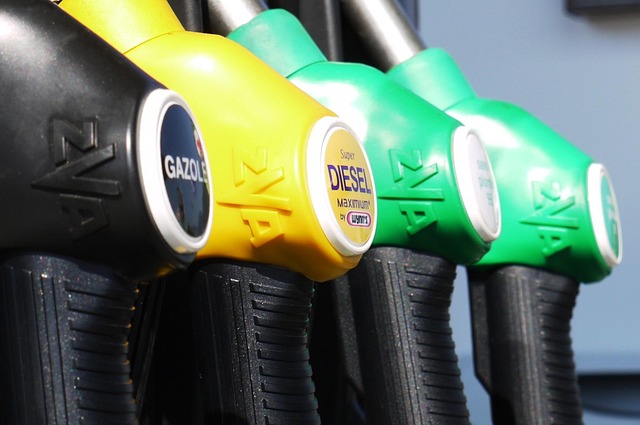
Selecting the right gasoline vehicle is a crucial step towards improving fuel efficiency and reducing greenhouse gas emissions. Understanding the diverse range of gas choices available allows consumers to make informed decisions that align with their environmental and economic goals. Among these options, fuel-optimized gasoline vehicles stand out as a practical and powerful solution. These cars are meticulously engineered to maximize energy conversion, offering significant improvements in mileage compared to traditional gasoline models.
For instance, modern fuel-efficient gasoline engines employ advanced technologies such as direct injection, variable valve timing, and improved combustion chambers. These innovations enable vehicles to burn fuel more completely, reducing waste and enhancing overall efficiency. Consider the 2022 Toyota Corolla Hybrid, which boasts an impressive Combined Fuel Economy of 53 mpg (miles per gallon). Such remarkable figures demonstrate that gasoline-powered cars can compete with their electric counterparts in terms of sustainability.
When evaluating best gasoline cars for fuel efficiency, it’s essential to consider factors like engine displacement, weight optimization, and aerodynamic design. Vehicles with smaller yet powerful engines, lightweight materials, and streamlined bodies typically exhibit superior fuel economy. For instance, the 2021 Honda Civic Si offers a balanced blend of performance and efficiency, achieving an EPA-estimated 34 mpg in city driving and 46 mpg on the highway. This showcases that high-performance gasoline vehicles can also be environmentally responsible. Opting for these fuel-optimized cars not only contributes to reducing greenhouse gas emissions but also provides tangible savings at the pump over time.
Environmental Impact: Choosing Cleaner Burning Fuels

The environmental impact of transportation is a growing concern, with gasoline vehicles contributing significantly to greenhouse gas emissions. One effective strategy to mitigate this is by selecting cleaner-burning fuels and embracing gasoline vehicles that utilize advanced technology. By opting for top-rated gasoline crossovers known for their efficiency, consumers can play a crucial role in reducing their carbon footprint.
Modern gasoline vehicles equipped with catalytic converters and direct injection systems have made significant strides in improving emissions control. These technologies enable more efficient combustion, resulting in lower exhaust gas emissions. For instance, the latest gasoline crossovers often boast fuel economy ratings of over 30 miles per gallon, a substantial improvement from older models. This shift towards advanced gasoline engines is not only environmentally beneficial but also positions these vehicles as practical choices for eco-conscious consumers.
When considering a purchase, prioritizing top-rated gasoline crossovers with advanced engine technologies offers both environmental and performance advantages. Features like automatic start-stop systems and improved transmission efficiency further enhance fuel economy. For instance, the 2023 Toyota RAV4 Hybrid stands out as a leading example, offering exceptional fuel efficiency and reduced emissions without compromising on comfort or utility. By Select Gasoline Vehicles naturally that meet these criteria, individuals can contribute to a cleaner, more sustainable future while enjoying the benefits of modern automotive technology.
Performance Considerations: Powering Your Journey

When considering efficient and powerful gas choices for your vehicle, performance is a key factor that often takes center stage. The quest for high performance gas engines has led to significant advancements in gasoline car technology over the years. Today, consumers have access to a diverse range of options designed to deliver optimal power while minimizing environmental impact, with many gasoline cars under 20k offering impressive specifications.
Select Gasoline Vehicles, naturally, play a pivotal role in this context. Modern engines are engineered to provide robust performance without compromising on fuel efficiency and greenhouse gas reduction. For instance, turbocharged four-cylinder engines have become ubiquitous in high-performance gasoline vehicles, balancing power output with improved fuel economy compared to their larger counterparts. This trend is evident in many popular models, where manufacturers have honed their craft to deliver impressive horsepower while keeping emissions in check. According to recent studies, these advanced engines can reduce greenhouse gas emissions by up to 30% compared to traditional engines, making them a viable choice for eco-conscious buyers.
Practical insights into selecting the right gasoline vehicle involve considering factors like engine type, displacement, and turbocharging. Engines with smaller displacements, typically in the 1.5-2.0 liter range, are increasingly popular due to their efficiency gains. Additionally, advancements in materials science have enabled lighter components, further enhancing fuel economy. For those seeking a balance between performance and affordability, gasoline cars under 20k offer a compelling package, with many models featuring high-performance gas engines that rival more expensive alternatives. Ultimately, the key lies in understanding your specific needs and choosing a vehicle that not only meets but exceeds them, while also contributing to a greener future through reduced greenhouse gas emissions.
Economics 101: Cost-Effective Gas Choices

In today’s economic climate, making cost-effective choices is paramount for consumers looking to maximize their budgets. When it comes to transportation, selecting the right gasoline vehicle can significantly impact running costs. The key lies in balancing performance with efficiency. Reputable gasoline car brands like Toyota, Honda, and Ford offer models known for their fuel economy without compromising on reliability. For instance, the Toyota Prius has long been a champion of fuel efficiency, while the Honda Civic offers a range of efficient engines at competitive prices.
Understanding engine specifications is crucial. Top-performing gas engines often feature advanced technologies like direct injection, turbocharging, and variable valve timing. These innovations boost power while improving fuel economy. A well-known example is the 2.0L EcoBoost engine found in Ford’s F-150, which delivers impressive torque and miles per gallon. When considering a new or used vehicle, researching these engines can provide valuable insights into long-term cost savings.
Beyond traditional gasoline options, exploring green alternatives is gaining traction. Biofuels, electric vehicles (EVs), and hybrid models offer promising solutions for those seeking sustainable and economical transportation. For instance, the Tesla Model 3 has become a game-changer in the EV space, delivering exceptional range and performance while significantly reducing operational costs. Similarly, reputable gasoline car brands are investing heavily in developing more efficient engines and alternative fuel sources, ensuring a diverse market for consumers concerned about both performance and environmental impact.
Selecting the right gasoline vehicle requires a thoughtful approach, balancing initial cost with long-term savings. By choosing proven, efficient models from reputable manufacturers and keeping an eye on emerging green alternatives, folks can navigate this labyrinthine market with confidence, ensuring they get the most bang for their buck without compromising on quality or performance.
Select Gas Vehicles: Navigating the Market
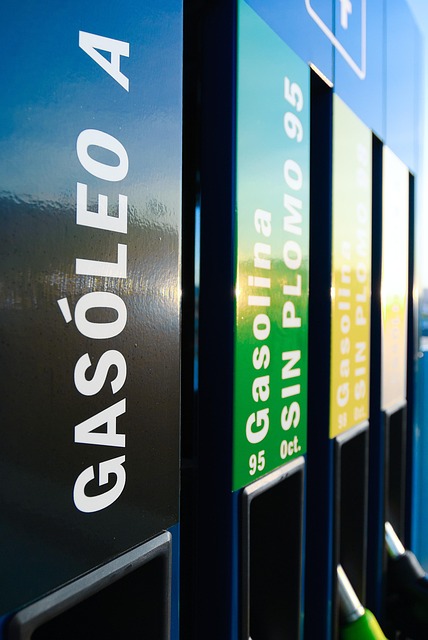
When navigating the market for efficient and powerful gas choices, selecting the right gasoline vehicle is paramount. It involves balancing fuel efficiency, durability, and safety features to meet your specific needs and preferences. According to recent studies, the average American drives about 13,476 miles annually, making fuel economy a significant factor in vehicle selection.
Among the best gasoline cars for fuel efficiency, models like the Toyota Prius and Honda Civic stand out. The 2022 Prius, for instance, offers an impressive combined fuel economy of 58 mpg, while the latest Civic variants achieve up to 40 mpg in the city and 36 mpg on the highway. These vehicles not only deliver superior gas mileage but also represent durable gasoline car models known for their longevity.
Moreover, modern gasoline cars come equipped with advanced safety features that set them apart. Features such as automatic emergency braking, lane-keeping assist, and adaptive cruise control have become industry standards. The 2022 Mazda3, for example, earned a Top Safety Pick+ rating from the Insurance Institute for Highway Safety (IIHS) thanks to its comprehensive suite of active safety technologies. When selecting a gasoline vehicle, prioritize models that incorporate these advanced safety features to ensure a secure driving experience.
Future Trends: Sustainable Gas Solutions Today

The future of transportation is increasingly tied to sustainable gas solutions, with a growing emphasis on reducing emissions and mitigating environmental impact. Among the various options, select gasoline vehicles present an attractive balance between performance and eco-friendliness. Today’s market offers a range of green gasoline alternatives, from biofuels derived from agricultural residues to advanced petrol blends designed to lower carbon footprint. These innovations are not merely academic; they are transforming the way we think about gasoline as a whole.
Modern gasoline vehicle innovations play a pivotal role in this transition. Manufacturers are developing more efficient engines that burn fuel cleaner and produce fewer emissions. For instance, direct injection systems and turbocharged engines have become standard features across many luxury brands, significantly improving fuel economy while maintaining or even enhancing performance. This is particularly evident in the realm of affordable luxury gas sedans, where models like the Toyota Camry Hybrid and Honda Accord Hybrid offer competitive fuel efficiency without compromising on comfort or style.
Looking ahead, the trend towards sustainable gas solutions is set to accelerate. Governments worldwide are implementing stricter emission standards, incentivizing the adoption of cleaner vehicles through tax breaks and subsidies. As a result, consumers have never had a better time to consider transitioning to greener alternatives. By embracing modern gasoline vehicle innovations and exploring affordable luxury gas sedans equipped with these technologies, we can collectively contribute to a cleaner, more sustainable future without sacrificing performance or style.
By exploring various gas options, understanding their environmental impact, and considering performance and economics, readers now possess a comprehensive toolkit for making informed decisions. Key takeaways include prioritizing cleaner-burning fuels, recognizing cost-effective choices, and staying abreast of future trends in sustainable gas solutions. Selecting the right gasoline vehicles becomes an empowered process, balancing efficiency, sustainability, and budget. This article serves as a authoritative guide, enabling readers to navigate the market with confidence, ensuring they make responsible and practical choices for their transportation needs.