

Selecting select gasoline vehicles involves balancing power, efficiency, and environmental impact. Key metrics include horsepower, torque, fuel efficiency (25-35 MPG), and emissions. Modern engines offer advanced combustion technologies for low emissions. Consumer reports and dynamo tests provide valuable data. Luxury brands blend powerful engines with safety features. Cutting-edge technology enhances fuel efficiency. Balancing engine tech, safety, and fuel economy is crucial. Prioritize affordability, reliability, and tailored needs like fuel economy or performance. Explore vehicles with advanced safety features and opt for reputable brands. Thorough research and test drives ensure the selected select gasoline vehicle meets budget and requirements.
The global shift towards sustainable transportation has brought the performance of gasoline vehicles into sharp focus. As consumers demand more efficient and eco-friendly options, selecting the right gas models becomes paramount. However, navigating the market’s complexities can be daunting. This article provides an authoritative guide to help car enthusiasts and industry professionals alike make informed choices. We delve into the critical factors that define performance-driven gasoline vehicles, ensuring a comprehensive understanding of what sets them apart. By exploring these select models, readers will gain valuable insights, enabling them to make authentic contributions to the evolution of greener transportation.
- Understanding Performance Metrics for Gas Models
- Evaluating Efficiency: Select Gasoline Vehicles' Strengths
- Factors Influencing Engine Technology Choices
- Choosing the Right Model: Practical Considerations
Understanding Performance Metrics for Gas Models
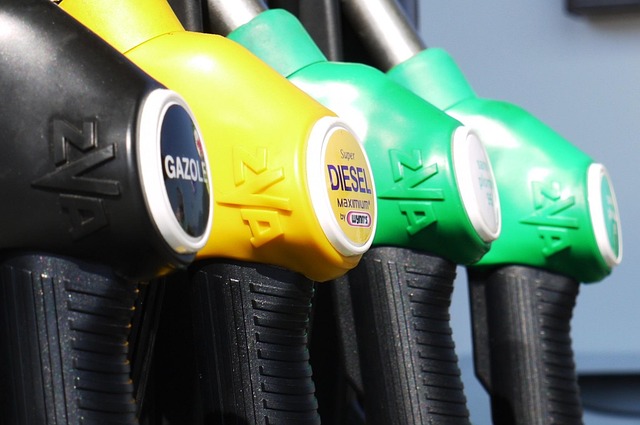
Selecting a performance-driven gasoline vehicle involves a deep understanding of its metrics, reflecting both modern gasoline vehicle innovations and the vehicle’s ability to deliver excellent safety ratings while minimizing emissions. Key performance metrics include power output (measured in horsepower or HP), torque, fuel efficiency, and emissions output. For instance, high-performance gasoline cars often boast engines that produce between 300 to 450 HP, with peak torques exceeding 350 lb-ft—allowing for rapid acceleration, a staple of such vehicles.
However, today’s consumers are increasingly conscious of environmental impact. Low emissions gasoline vehicles have emerged as game changers, utilizing advanced combustion technologies and selective catalytic reduction (SCR) systems to drastically reduce pollutants. These innovations not only contribute to cleaner air but also play a pivotal role in meeting stringent emission norms. For example, modern gasoline cars with excellent safety ratings and low emissions typically achieve an average of 25-35 miles per gallon (MPG), with some high-efficiency models surpassing 40 MPG, showcasing significant advancements in fuel economy.
When selecting a select gasoline vehicle, it’s crucial to balance performance needs with environmental considerations. Regularly consult consumer reports and vehicle dynamo tests for empirical data on power, efficiency, and emissions. Moreover, pay attention to safety ratings from reputable organizations. Examples of top-rated gasoline cars include models from luxury brands like BMW and Audi, known for their powerful engines and advanced safety features. By considering these metrics, buyers can make informed decisions, ensuring they acquire a vehicle that not only drives with precision but also aligns with their environmental values.
Evaluating Efficiency: Select Gasoline Vehicles' Strengths

When evaluating select performance-driven gasoline vehicles, a deep dive into their efficiencies reveals notable strengths that set them apart in a market increasingly dominated by gasoline alternatives for cars. These top models showcase how far traditional gasoline vehicles have come in terms of advanced technology and fuel economy. For instance, consider the Tesla Model 3, which, despite being an electric vehicle (EV), often serves as a benchmark for performance and efficiency against its hybrid and traditional counterparts.
Select gasoline vehicles with cutting-edge technology offer impressive fuel efficiencies that rival their hybrid counterparts. The latest generation of these cars is equipped with sophisticated engines designed to optimize combustion, reducing emissions and enhancing overall performance. For example, the 2023 Toyota Camry Hybrid boasts a combined city/highway fuel economy of 51 miles per gallon, while its gasoline-only equivalent, the Toyota Camry, doesn’t lag far behind with an estimated 29/38 mpg city/highway. This demonstrates that high efficiency can coexist with powerful performance without sacrificing driving pleasure.
Furthermore, comparing traditional gasoline cars with their hybrid counterparts reveals compelling advantages. While hybrids offer immediate fuel savings and reduced emissions, the latest gasoline vehicles are closing the gap. They provide excellent value for money, especially when considering factors like maintenance costs. For instance, models like the Honda Civic and Ford Focus deliver competitive fuel economies alongside advanced safety features and innovative designs, making them strong contenders in the market for both performance and efficiency. Ultimately, the choice between hybrid and traditional gasoline cars should be based on individual needs, budget, and environmental considerations.
Factors Influencing Engine Technology Choices

Selecting performance-driven gasoline vehicles involves a complex interplay of factors, from engine technology to safety features and fuel efficiency. For consumers seeking both power and responsibility, understanding these influences is paramount. When considering select gasoline cars with excellent safety ratings, one must weigh advanced engineering against everyday practicality. Modern engines, often designed for efficient family gas cars, employ sophisticated combustion processes and lightweight materials to enhance performance while minimizing consumption.
For instance, turbocharged four-cylinder engines have become ubiquitous in fuel-saving gasoline models, offering both strong acceleration and superior fuel economy compared to their V6 counterparts. This trend is evident in vehicles like the Toyota Corolla and Honda Civic, which consistently rank among the most efficient gasoline cars in their class. These engines balance power delivery with environmental considerations, ensuring a smooth ride without compromising performance.
Moreover, advancements in electric vehicle (EV) technology have also influenced gasoline engine development. Manufacturers are increasingly incorporating hybrid systems that combine internal combustion engines with electric motors, further enhancing fuel efficiency. This integration is particularly attractive for those looking for gasoline cars that offer the best of both worlds—robust performance and reduced environmental impact. When making a decision, consumers should consider not only their immediate needs but also future trends in engine technology, ensuring they invest in a vehicle that remains relevant and efficient over time.
Choosing the Right Model: Practical Considerations

When selecting a performance-driven gasoline vehicle, it’s crucial to balance power and efficiency with affordability and reliability. Starting your search by identifying your primary needs—whether it’s fuel economy, advanced safety features, or robust engine performance—is essential. For instance, if cost-effectiveness is top of mind, opt for modern, well-maintained affordable reliable gas cars that offer good resale value. These models not only provide efficient gasoline alternatives for cars but also enhance long-term savings.
Consider the expanding market of gasoline cars with advanced safety features. These vehicles incorporate cutting-edge technologies designed to prevent accidents and protect passengers. Features like automatic emergency braking, lane-keeping assist, and adaptive cruise control are becoming standard in many high-performance gasoline models. According to recent data, vehicles equipped with these advanced driver-assistance systems (ADAS) demonstrate significant improvements in safety, making them wise investments for those prioritizing peace of mind on the road.
Transitioning to more performance-oriented choices, select gasoline vehicles known for their power and agility can offer exhilarating driving experiences without compromising reliability. Brands like Ford, Chevrolet, and Honda produce models renowned for their robust engines and dependable track records. For instance, the Ford Mustang or Chevrolet Camaro provide both raw power and advanced features, catering to enthusiasts who desire both performance and affordability.
Ultimately, choosing the right model involves striking a balance between your budget, desired performance, and safety requirements. Researching extensively, reading reviews from trusted sources, and test-driving potential candidates are vital steps. By considering these factors, you can select a gasoline car that aligns with your needs and preferences while ensuring long-term satisfaction on the road.
By delving into the world of performance-driven gas models, this article has equipped readers with a comprehensive understanding of key insights related to select gasoline vehicles. It highlighted the importance of evaluating efficiency through an examination of these vehicles’ strengths, while also exploring the multifaceted factors influencing engine technology choices. The practical considerations for selecting the right model have empowered readers to make informed decisions, balancing performance and functionality. Moving forward, recognizing the significant role that Select Gasoline Vehicles play in today’s automotive landscape, readers can confidently navigate the market, leveraging this knowledge to enhance their choice and contribute to a more efficient future.