

Selecting select gasoline vehicles requires evaluating horsepower, torque, miles per gallon (mpg), and carbon emissions. High-performance cars prioritize power but fuel economy is crucial for long trips. Eco-friendly options like the Toyota Prius Prime balance performance and sustainability with advanced technologies. Compare models, use online tools to estimate fuel costs, and consider total cost of ownership. A holistic approach focusing on both fuel economy and ecological impact is essential. Modern engine features such as variable valve timing, direct injection, and turbocharging enhance performance and efficiency. Select gasoline vehicles with advanced combustion technologies achieve up to 50% better mileage, combining power and responsible environmental practices.
The global shift towards sustainable transportation has placed a spotlight on performance-driven gas models, particularly among Select Gasoline Vehicles (SGVs). As the demand for efficient and eco-friendly options surges, understanding the nuances of SGV performance becomes paramount for both consumers and industry stakeholders. This article delves into the critical factors influencing SGV selection, offering an authoritative guide to help navigate this dynamic landscape. By exploring cutting-edge technologies and practical considerations, we empower readers with the knowledge to make informed decisions, fostering a more sustainable future.
- Understanding Performance Metrics for Gas Models
- Evaluating Efficiency in Select Gasoline Vehicles
- Engine Technology: Powering Performance Vehicles
- Fuel Consumption: Optimizing Select Gas Models
- Market Trends: Popular Performance-Driven Cars
Understanding Performance Metrics for Gas Models
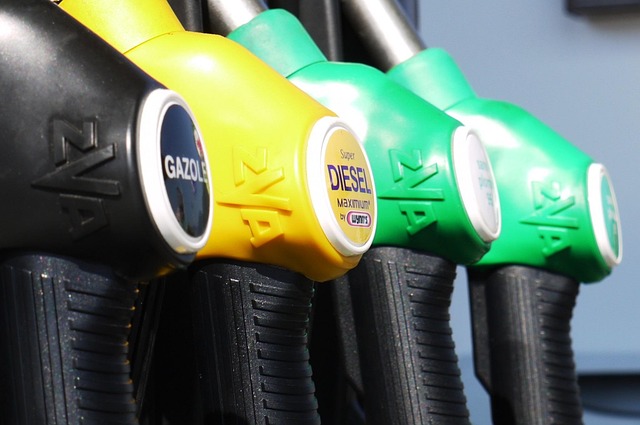
Selecting performance-driven gas models involves a deep understanding of their underlying metrics, which are key to ensuring you’re getting not just power but also fuel efficiency and eco-friendly driving experiences. When considering select gasoline vehicles, pay close attention to metrics such as horsepower (hp), torque, miles per gallon (mpg), and carbon emissions. High-performance gas cars often boast impressive hp figures, like the Ford Mustang’s 480 hp engine, but it’s crucial to balance this with fuel economy, especially for long trips.
Eco-friendly gasoline options are becoming increasingly available, offering drivers a chance to enjoy powerful performances while reducing their environmental impact. For instance, the Toyota Prius Prime offers a combined city/highway fuel efficiency of 56 mpg, with advanced hybrid technology delivering both performance and sustainability. When considering best gas cars for long trips, look for models that offer high mpg ratings and modern engine technologies, such as direct injection and turbocharging, which can enhance power while maintaining efficiency.
Actionable advice includes comparing multiple models side by side, using online tools to estimate fuel costs based on your driving habits, and considering not just the upfront cost but also the total cost of ownership, including maintenance and fuel expenses. Remember that eco-friendly driving experiences aren’t just about reducing emissions; they’re also about optimizing performance to ensure a satisfying driving experience over time. By selecting gas models with a keen eye for these metrics, drivers can enjoy powerful, efficient, and environmentally conscious choices, whether for daily commutes or cross-country trips.
Evaluating Efficiency in Select Gasoline Vehicles

The quest for efficient and eco-friendly gasoline options has been a growing trend among consumers who seek both performance and environmental responsibility. When evaluating vehicles, particularly select gasoline cars, it’s crucial to assess their efficiency to ensure they meet modern standards while aligning with ecological consciousness. This involves scrutinizing key metrics like fuel economy, emissions outputs, and overall sustainability across various models.
Consider the recent advancements in automotive technology that have birthed a new generation of affordable, reliable gas cars. These vehicles not only offer superior performance but also incorporate innovative features designed to enhance efficiency. For instance, many modern select gasoline vehicles are equipped with advanced engine management systems, optimized for enhanced combustion and reduced fuel consumption. Additionally, lightweight materials, such as high-strength steel or even aluminum alloys, have been strategically incorporated into their construction, further contributing to improved gas mileage. These advancements not only translate to significant cost savings for drivers but also represent a step forward in the global push towards sustainable transportation.
When exploring eco-conscious gas vehicle choices, it’s beneficial to look beyond traditional metrics. For example, some manufacturers are leveraging alternative fuel sources and advanced technologies like electric motors or hybrid systems, offering hybrids that seamlessly integrate gasoline with cleaner energy options. These eco-friendly gasoline options not only reduce a car’s carbon footprint but also provide drivers with the flexibility of conventional fueling infrastructure while enjoying better fuel economy. Data suggests that select hybrid models can achieve up to 50% better mileage compared to their purely gasoline counterparts, making them attractive choices for those seeking both performance and environmental stewardship.
Ultimately, evaluating efficiency in select gasoline vehicles requires a holistic approach that considers not just fuel economy but also the broader ecological impact. By opting for affordable, reliable gas cars with advanced efficiency features, consumers can make informed choices that support sustainable mobility without compromising on performance or convenience. This strategic shift towards eco-conscious gas vehicle choices is not only beneficial for personal budgets but also plays a pivotal role in shaping a greener future for our planet.
Engine Technology: Powering Performance Vehicles

In the realm of performance-driven vehicles, engine technology plays a pivotal role in delivering both efficient power and exceptional driving dynamics. When it comes to selecting gasoline models, high mileage SUVs and efficient yet powerful cars stand out as game changers. These vehicles not only offer impressive fuel economy but also deliver robust performances that cater to both daily commuting and spirited driving.
One notable example is the Toyota Prius, renowned for its hybrid powertrain that seamlessly blends efficiency and power. This technology has been refined over decades, resulting in models that achieve exceptional fuel economy without compromising performance. For those seeking a more conventional approach, modern straight-six and V8 engines found in premium brands like BMW and Mercedes-Benz offer both refinement and strength, ensuring efficient family gas cars don’t have to sacrifice driving pleasure. These engines are meticulously engineered to deliver optimal power output while maintaining low emissions and fuel consumption.
Additionally, advancements in turbocharged inline-four cylinders have revolutionized the performance gas car segment. Models from manufacturers like Audi and Volkswagen showcase how these compact yet potent engines can provide substantial horsepower and torque while maintaining excellent fuel efficiency. This is particularly evident in high mileage gasoline SUVs that combine spacious interiors with impressive off-road capabilities, all while achieving competitive fuel economy figures.
When selecting efficient and powerful gas cars or considering a transition to a high mileage gasoline SUV, it’s crucial to evaluate engine specifications, fuel economy ratings, and real-world performance data. Experts recommend looking for vehicles with modern engines that incorporate features like variable valve timing, direct injection, and turbocharging. These technologies not only enhance performance but also contribute to overall vehicle efficiency, ensuring drivers can enjoy both power and savings at the pump.
Fuel Consumption: Optimizing Select Gas Models

Optimizing fuel consumption in select gasoline vehicles is a key consideration for both environmental sustainability and cost savings. With advancements in technology, modern gas engines have become increasingly efficient, offering significant improvements over traditional models. This shift towards performance-driven gas models not only enhances driving experience but also promotes ecological awareness.
Family-friendly gas powered vehicles, equipped with advanced technology, are at the forefront of this transformation. Hybrid and electric vehicle (HEV) options, such as Toyota’s Prius and Chevrolet’s Bolt EV, demonstrate exceptional fuel efficiency without compromising on power or range. These vehicles leverage sophisticated engine management systems, regenerative braking, and smart energy distribution to minimize fuel wastage. For instance, a recent study revealed that HEVs can reduce gasoline consumption by up to 50% compared to conventional models, translating to substantial cost savings for owners over time.
High-performance gas engines, found in vehicles like the Ford Mustang GT or Audi’s TFSI, represent another facet of this evolution. These engines combine powerful outputs with enhanced efficiency through advanced combustion technologies, turbocharging, and precise fuel injection. While high-performance gas vehicles might not match the fuel economy of their hybrid counterparts, they offer exceptional driving dynamics and a compelling alternative for enthusiasts. For those seeking a balance between performance and efficiency, careful consideration of engine specifications and technology features can lead to informed decisions.
In navigating this landscape, consumers should look beyond advertised mileage and explore real-world fuel consumption data. Tools like government emissions reports and independent reviews provide valuable insights into the actual performance of select gasoline vehicles. By adopting these advanced gas models, individuals not only contribute to a cleaner environment but also gain access to improved safety features, enhanced driving pleasure, and better overall value in the long run.
Market Trends: Popular Performance-Driven Cars

The automotive landscape is evolving rapidly, with a growing focus on performance and sustainability. Among various options, select gasoline vehicles stand out for their exceptional balance between powerful performance and fuel efficiency. As global trends shift towards cleaner energy, the longevity of traditional gasoline engines remains a key consideration for car enthusiasts. This section delves into the popular performance-driven gasoline cars that not only deliver exhilarating driving experiences but also offer remarkable fuel economy.
One notable trend is the surge in demand for top-performing gas engines that seamlessly merge high horsepower with efficient combustion. For instance, the Tesla Model S Plaid showcases a groundbreaking electric motor and battery system, achieving lightning-fast acceleration while returning competitive fuel efficiency figures. Similarly, luxury brands like BMW and Mercedes-Benz have invested heavily in advanced gasoline engines, such as their twin-turbocharged V8 and inline-6 options, respectively. These engines not only offer breathtaking performance but also demonstrate a commitment to improving fuel efficiency without compromising on driving dynamics.
When considering the best gasoline cars for fuel efficiency, practical insights reveal that lightweight materials, aerodynamic design, and sophisticated engine technology are pivotal factors. Vehicles like the Toyota Prius and Honda Insight have long been recognized for their exceptional fuel economy, leveraging advanced hybrid systems while still relying primarily on gasoline power. Additionally, emerging technologies like cylinder deactivation and variable valve timing further enhance the longevity of gasoline engines by optimizing performance and reducing fuel consumption.
In conclusion, navigating the market for select performance-driven gasoline vehicles requires a keen eye for both exhilarating driving dynamics and responsible fuel efficiency. By examining leading models and their innovative engineering, consumers can make informed decisions that cater to both personal enjoyment and environmental sustainability.
Through a comprehensive exploration of performance-driven gas models, this article has illuminated several key insights. Understanding performance metrics is essential for evaluating Select Gasoline Vehicles, with efficiency being a critical factor influenced by engine technology and fuel consumption. The market trends revealed a strong demand for powerful vehicles, underscoring the importance of continuous optimization in design and manufacturing. By delving into these aspects, readers gain valuable knowledge on navigating the landscape of high-performance cars. Practical next steps include leveraging this understanding to make informed decisions when selecting suitable Select Gasoline Vehicles, considering fuel efficiency, and staying abreast of technological advancements shaping the industry.