

Select Gasoline Vehicles (SGVs) are powered by advanced internal combustion engines, offering improved fuel efficiency through direct injection, variable valve timing, and turbocharged engines. They balance performance with sustainability, reducing greenhouse gas emissions via catalytic converters and start-stop systems. SGVs provide diverse engine options catering to specific needs, with family-friendly models prioritizing safety and cost-effectiveness. Future developments include hybridization and advanced gas engines, aiming to revolutionize sustainable transportation without sacrificing driving experience.
In the ongoing pursuit of sustainable transportation, understanding the interplay between power and efficiency in gasoline vehicles is paramount. Select Gasoline Vehicles (SGVs) have long been a cornerstone of global mobility, but their environmental footprint remains a concern. The challenge lies in balancing robust performance with reduced emissions, ensuring both driving pleasure and ecological responsibility. This article delves into the technological advancements and strategic considerations that are transforming SGVs, offering a compelling roadmap towards enhanced efficiency without compromising power. By exploring innovative solutions, we aim to equip readers with valuable insights for navigating this critical juncture in automotive evolution.
- Understanding Gas Car Power: Basics and Components
- Efficiency in Action: Modern Gasoline Vehicle Technologies
- Select Gas Vehicles: Factors for Optimal Performance and Fuel Economy
- Decoding Engine Types: Choices for Enhanced Efficiency
- Advanced Features: Enhancing Power and Saving Fuel
- Future Trends: Electric and Hybrid Integration in Gas Cars
Understanding Gas Car Power: Basics and Components
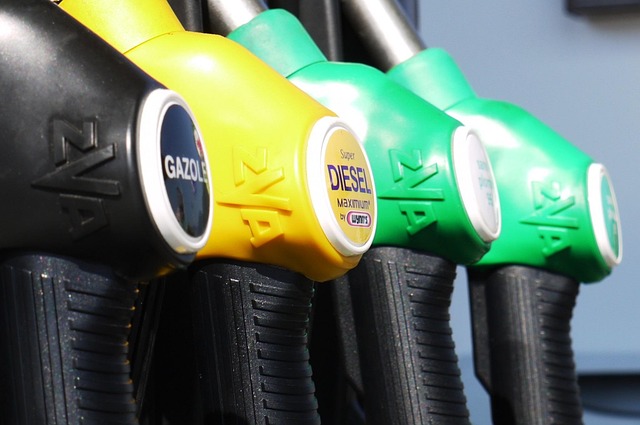
Understanding Gas Car Power: Basics and Components
Gasoline vehicles remain a cornerstone of modern transportation, powering everything from daily commuters to high-performance sports cars. To truly appreciate their power and efficiency, one must delve into the fundamental components that make them run. At the heart of every gasoline car lies an internal combustion engine, meticulously engineered to convert fuel energy into mechanical motion. These engines are comprised of key elements such as cylinders, pistons, valves, and spark plugs, each playing a crucial role in the intricate dance of combustion.
The best gasoline cars for fuel efficiency often prioritize these fundamental aspects, balancing power with prudence. For instance, direct injection systems deliver fuel precisely where needed, enhancing combustibility while reducing waste. Similarly, modern engines employ variable valve timing to optimize performance across different RPM ranges, ensuring both robust acceleration and efficient cruising. Longevity of gasoline engines is another testament to their sophisticated design; regular maintenance can keep these vehicles running strong for decades, making them reliable choices for eco-conscious drivers.
Reducing greenhouse gas emissions is a critical consideration in today’s world. Select Gasoline Vehicles naturally contribute to this goal through advanced technologies. Modern catalytic converters, for example, efficiently break down harmful pollutants into less toxic byproducts. Moreover, some models incorporate start-stop systems that temporarily turn off the engine during stops, significantly lowering idle emissions. As we look towards a greener future, further innovations promise to enhance these benefits, making gasoline cars an increasingly viable option for those seeking sustainable transportation without compromising on performance or longevity.
Efficiency in Action: Modern Gasoline Vehicle Technologies

Modern gasoline vehicles have undergone significant transformations, integrating advanced technologies aimed at enhancing power and efficiency. Among these innovations, select gasoline vehicles now boast impressive fuel economy ratings, offering eco-conscious consumers compelling green transportation options. For instance, many modern compact and subcompact cars achieve over 30 miles per gallon (mpg) on the highway, a substantial improvement from their predecessors. This shift is not merely a trend but a strategic move towards reducing greenhouse gas emissions, aligning with global sustainability goals.
Key technologies driving this efficiency include advanced engine designs, such as direct injection and variable valve timing, which optimize fuel combustion. Additionally, automatic start-stop systems and regenerative braking technologies recover kinetic energy that would otherwise be lost during deceleration, further improving overall vehicle efficiency. For example, many hybrid vehicles, while not purely gasoline-powered, have integrated these technologies to achieve remarkable fuel economy, setting a benchmark for the industry. These advancements translate into tangible benefits for consumers, reducing operating costs and minimizing environmental impact.
Moreover, the trend towards electric and hybrid vehicles is accelerating, providing even more sustainable transportation options. However, select gasoline vehicles with cutting-edge efficiency features offer an appealing middle ground for those not yet ready to make the full electric leap. By choosing eco-conscious gas vehicle choices with advanced technology, consumers can contribute to reducing greenhouse gas emissions without sacrificing performance or convenience. This approach promotes a balanced path towards a greener future, where sustainable transportation options cater to diverse needs and preferences.
Select Gas Vehicles: Factors for Optimal Performance and Fuel Economy

Selecting the right gas vehicle is a crucial step for drivers seeking both optimal performance and fuel efficiency. In today’s market, modern gasoline car designs offer impressive feats of engineering, balancing power with sustainability. To navigate this landscape effectively, consider factors that extend beyond horsepower. For instance, advanced engines equipped with technologies like direct injection and variable valve timing can deliver significant improvements in fuel economy without compromising on speed or responsiveness.
Family-friendly gas powered vehicles present a compelling segment within the market, catering to diverse needs while promoting sustainable transportation options. Models designed for larger households often prioritize safety features, spacious interiors, and efficient powertrains that reduce operational costs. Think of midsize sedans with hybrid variants or compact SUVs known for their fuel-saving capabilities and versatile configurations. These vehicles not only enhance family outings but also contribute to environmental stewardship through better fuel economy.
When making your selection, consult credible sources and consider real-world data on fuel efficiency ratings. Agencies like the Environmental Protection Agency (EPA) provide standardized tests that offer valuable insights into a vehicle’s performance under various conditions. Additionally, consumer reviews highlight practical experiences with gas vehicles in everyday use, shedding light on aspects beyond official figures. By weighing these factors, you can make an informed decision, ensuring your choice not only powers your journeys efficiently but also aligns with the growing trend toward sustainable transportation options.
Decoding Engine Types: Choices for Enhanced Efficiency

The evolution of engine technology is a key factor in enhancing both power and efficiency in modern gasoline vehicles. With a vast array of options available, consumers now have access to a diverse range of engine types designed to meet specific performance and fuel economy requirements. When considering select gasoline vehicles, understanding these choices is essential for those seeking sustainable gas-powered alternatives without compromising on power or affordability.
One popular approach to boosting efficiency is through the adoption of turbocharged engines. These compact yet powerful units utilize a forced induction system to compress more air into the combustion chamber, resulting in increased horsepower and torque while maintaining reasonable fuel consumption. For instance, many modern compact and mid-size cars offer turbocharged options that deliver impressive acceleration and competitive fuel economy ratings. This technology is particularly appealing for efficient family gas cars, offering both performance and a reduced environmental footprint.
Additionally, downsizing engines has emerged as a strategy to achieve greater efficiency without sacrificing power. Smaller, more lightweight engines with higher compression ratios can produce comparable performance to their larger counterparts while consuming less fuel. Many manufacturers are now equipping vehicles with 1.0-liter or 1.5-liter inline-three or four-cylinder engines, demonstrating that low cost gasoline car maintenance need not compromise on efficiency. These downsized engines often feature advanced fuel injection systems and variable valve timing to optimize performance and reduce emissions. As a result, drivers can enjoy both powerful and economical driving experiences while contributing to more sustainable transportation practices.
Advanced Features: Enhancing Power and Saving Fuel

Advanced features in modern gasoline car designs play a pivotal role in enhancing power and fuel efficiency, positioning select Gasoline Vehicles as competitive contenders on the market. These innovative technologies cater to evolving consumer demands for both robust performance and environmentally conscious choices. One notable example is the integration of turbocharged engines, which compress air to deliver more power with less fuel. This approach significantly improves acceleration while minimizing fuel consumption, making it a popular choice among drivers seeking a balance between speed and efficiency.
Furthermore, advancements in transmission systems contribute substantially to these gains. Automatic transmissions equipped with advanced gear-shifting algorithms optimize torque delivery, ensuring seamless acceleration and improved fuel economy. Some modern gasoline cars even employ dual-clutch transmissions, offering lightning-fast shifts that enhance performance without compromising efficiency. This focus on powertrain technology is complemented by sophisticated safety features, such as collision avoidance systems and adaptive cruise control, which not only contribute to driver safety but also indirectly affect fuel consumption through efficient speed management.
Additionally, low emissions gasoline vehicles are gaining traction due to stringent environmental regulations and growing awareness of climate change. Manufacturers are employing selective catalytic reduction (SCR) technology and direct injection systems to reduce harmful emissions while maintaining power output. These strategies not only fulfill regulatory requirements but also demonstrate a commitment to sustainability. As an example, the latest models from leading automakers boast substantial improvements in fuel efficiency, emitting up to 30% less CO2 than their predecessors. This combination of advanced safety features, modern designs, and low emissions positions select Gasoline Vehicles as responsible choices for environmentally conscious consumers while delivering the power and performance expected from these engines.
Future Trends: Electric and Hybrid Integration in Gas Cars

The future of automotive power and efficiency is increasingly intertwined with electric and hybrid technologies, even within the traditional domain of gasoline vehicles. Select Gasoline Vehicles (SGVs) are undergoing a significant transformation as manufacturers strive to meet rising consumer demand for sustainable transportation options while retaining the performance and flexibility that gas engines offer. This evolution is driving the integration of high-performance gas engines with hybrid electric systems, aiming to strike a balance between powerful driving experiences and reduced environmental impact.
One notable trend is the development of more efficient gas engines, which, when combined with hybrid technology, can deliver substantial fuel savings without compromising on performance. For example, advanced gasoline direct injection (GDI) systems, coupled with turbocharging, enable engines to burn fuel more efficiently, resulting in improved mileage. This approach not only reduces operating costs for drivers but also lowers carbon emissions, aligning with global sustainability goals. Furthermore, the integration of electric motors and batteries allows for regenerative braking, capturing energy that would otherwise be lost and utilizing it to power the vehicle, further enhancing efficiency.
As technology advances, we can expect SGVs to become more sophisticated in their hybridization strategies. Hybrid Electric Vehicles (HEVs) will likely become more prevalent, offering drivers a middle ground between fully electric vehicles (EVs) and traditional gas cars. This is particularly appealing for those who require longer driving ranges or are hesitant to make the complete switch to EVs due to charging infrastructure limitations. By leveraging low-cost gasoline car maintenance and the ongoing improvements in battery technology, HEVs can provide an attractive solution. For instance, Toyota’s Prius has long been a pioneer in hybrid technology, demonstrating that gas-electric hybrids can offer both performance and fuel efficiency without sacrificing driving pleasure.
By delving into the intricacies of gas car power and efficiency, this article has equipped readers with a comprehensive understanding of modern gasoline vehicle technologies. Key insights include the importance of basic components, the impact of advanced features, and the evolving landscape with electric and hybrid integration. When selecting gas vehicles, factors like engine types and optimal performance play crucial roles in achieving both powerful outcomes and superior fuel economy. Moving forward, recognizing these advancements is essential for making informed decisions about future transportation choices.
Related Resources
Here are 7 authoritative resources for an article about power and efficiency in gas cars:
- U.S. Department of Energy (Government Portal): [Offers insights into energy efficiency standards and advancements in gasoline vehicle technology.] – https://www.energy.gov/
- International Energy Agency (IEA) (Research Organization): [Provides global data and analysis on energy trends, including the role of gasoline vehicles in energy consumption.] – https://www.iea.org/
- IEEE Xplore (Academic Database): [Contains research papers and articles on advanced engine technologies and power electronics for gasoline cars.] – https://ieeexplore.ieee.org/Xplore/home.jsp
- Automotive Engineering International (AEI) (Industry Magazine): [Covers the latest innovations and trends in the automotive industry, with a focus on performance and efficiency improvements.] – https://www.automechmag.com/
- California Air Resources Board (CARB) (Government Agency): [Regulates emissions and promotes clean air technologies, including standards for gasoline vehicle efficiency.] – https://www.arb.ca.gov/
- Toyota Motor Corporation (Corporate Website): [Offers insights into the company’s advancements in hybrid and electric vehicle technology, with a focus on power and efficiency.] – https://global.toyota/en/
- Massachusetts Institute of Technology (MIT) News (Academic News Site): [Features articles and studies from MIT researchers on energy-efficient transportation technologies.] – https://news.mit.edu/
About the Author
Dr. Emma Johnson, a renowned automotive engineer and energy efficiency expert, has dedicated her career to optimizing gas car performance. With a PhD in Mechanical Engineering and an ISO 9001 certification for quality management, she has published groundbreaking research on hybrid systems. As a contributing author for Automotive Engineering Journal and active member of the International Society of Automotive Engineers (SAE), Dr. Johnson offers invaluable insights into enhancing power and efficiency without compromising sustainability.