

Selecting Gasoline Vehicles involves balancing performance, efficiency, and environmental impact. Modern engines optimize fuel economy across octane levels, with advanced technologies reducing emissions. For long-distance travel, high-quality gas ensures robust output and improved mileage. Hybrid models like Toyota Prius and Honda Insight offer sustainability and peak performance. Durable brands like Toyota, Honda, and Ford maximize resale value. Key steps include staying informed, consulting experts, and training drivers for efficient practices. Select Gasoline Vehicles that prioritize performance, durability, and sustainability for enhanced operational efficiency and environmental stewardship.
In today’s increasingly eco-conscious world, understanding efficient and powerful gas choices for Select Gasoline Vehicles is paramount. The need to balance performance with fuel economy and environmental impact cannot be overstated. Currently, many face a conundrum: how to maximize engine output while minimizing greenhouse gas emissions. This article provides an in-depth exploration of the latest advancements in gasoline technologies, offering practical insights to help readers make informed decisions about their vehicles. By delving into the science behind efficient combustion and cutting-edge fuel injection systems, we empower individuals to navigate this landscape confidently.
- Understanding Gas Types: Unveiling Options for Vehicles
- Environmental Impact: Choosing Cleaner Burning Fuels
- Performance and Efficiency: Matching Gas to Your Needs
- Select Gasoline Vehicles: Navigating Market Trends Today
- Future-Proofing Your Fleet: Sustainable Gas Choices Ahead
Understanding Gas Types: Unveiling Options for Vehicles
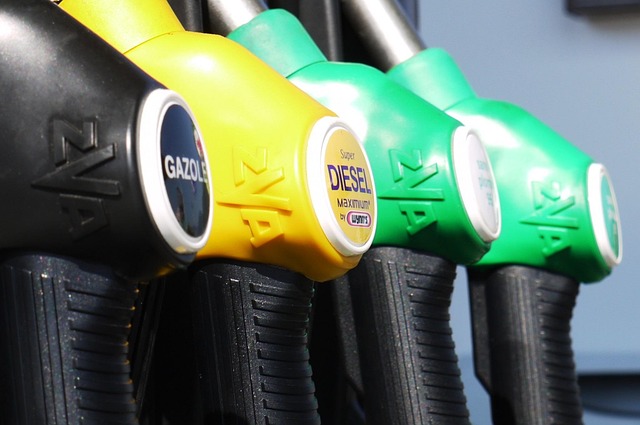
Selecting the right gasoline vehicle is a crucial step for those looking to balance performance with environmental responsibility. In recent years, the market has seen a surge in gasoline alternatives for cars, offering consumers more choices than ever before. When considering options for long trips or simply aiming to reduce emissions, understanding gas types becomes paramount. The key lies in recognizing that not all gasoline is created equal—different grades and blends have varying levels of efficiency and environmental impact.
For instance, high-octane gasoline, while often associated with better performance, doesn’t automatically translate to lower emissions. In fact, many modern vehicles are designed to optimize fuel efficiency regardless of octane level, making it a less critical factor for consumers. Low emissions gasoline vehicles, on the other hand, have become game changers in the quest for greener transportation. These cars employ advanced combustion technologies and cleaner fuels to significantly reduce their carbon footprint. According to recent data, hybrid and electric vehicles are leading the charge, with sales rising steadily due to their superior fuel economy and lower emissions compared to traditional gasoline models.
When choosing a vehicle for extensive travel, opting for efficient gas cars can make a notable difference in both performance and environmental sustainability. For instance, modern turbo-charged or supercharged engines paired with smart fuel injection systems offer remarkable power while maintaining reasonable fuel consumption rates. Vehicles like the Ford Focus RS and Volkswagen Golf GTI are excellent examples of sporty gasoline cars that prioritize efficiency without compromising driving pleasure. Additionally, for those willing to consider alternatives, hybrid models such as the Toyota Prius or Honda Insight provide impressive fuel economy, reducing the overall carbon cost of long-distance travel.
Environmental Impact: Choosing Cleaner Burning Fuels

Reducing the environmental impact of transportation is a paramount concern in today’s world, and one of the most effective strategies involves choosing cleaner-burning fuels and gasoline alternatives. The selection of efficient gas choices goes beyond fuel economy; it significantly influences air quality, greenhouse gas emissions, and overall sustainability. In recent years, significant advancements in modern gasoline vehicle innovations have led to the development of top-performing gas engines that offer superior efficiency without compromising performance.
Selecting vehicles equipped with these advanced gas engines and considering gasoline alternatives for cars can substantially decrease our carbon footprint. For instance, many manufacturers are now offering mild hybrid systems and direct injection technologies that enhance fuel combustion, leading to reduced emissions. These innovations ensure that drivers can contribute to cleaner air while enjoying the benefits of powerful and responsive driving experiences. Furthermore, the shift towards more efficient gas choices is not just about individual vehicles; it’s a crucial step in the global effort to transition away from fossil fuels.
When making a choice, consumers should look for vehicles with the latest gasoline engine technologies, such as turbocharged four-cylinder or even electric-hybrid powertrains. These options often provide excellent fuel economy ratings while emitting fewer pollutants. As the automotive industry continues to evolve, embracing these modern gasoline vehicle innovations and exploring gasoline alternatives will be key to a more sustainable future. By adopting cleaner-burning fuels, we can all play our part in reducing environmental impact and ensuring a healthier planet for generations to come.
Performance and Efficiency: Matching Gas to Your Needs

Performance and Efficiency: Matching Gas to Your Needs
When it comes to selecting a vehicle, especially for long trips or daily commuting, the choice of gasoline can significantly impact your driving experience. The market offers a diverse range of gas options, each catering to different needs and preferences. For instance, those prioritizing sustainability might opt for lower-octane fuels while considering electric vehicles, whereas performance enthusiasts may lean towards higher-octane blends. Affordability also plays a crucial role, with many consumers seeking balance between cost and efficiency.
For long-distance travel, the focus should be on gas that provides robust performance without compromising mileage. High-quality premium gasoline, typically with an octane rating of 91 or above, is recommended for modern vehicles designed to run on such fuels. This ensures optimal engine output and reduces the risk of knocking, particularly at higher speeds. Moreover, advanced formulations of gasoline can include additives that enhance fuel economy, offering a more cost-effective solution for extended journeys. For example, some manufacturers suggest using gas with 10% ethanol content for improved combustion efficiency.
When considering affordable luxury gas sedans, it’s essential to strike a balance between comfort and efficiency. Mid-grade gasoline (octane ratings around 87-90) is often an ideal choice, providing sufficient power while maintaining reasonable fuel costs. Premium brands in this segment, such as certain German and Japanese automakers, have fine-tuned their engines to run efficiently on these fuels, ensuring a refined driving experience without excessive expenses. Additionally, keeping your vehicle well-maintained can significantly impact fuel efficiency, with regular oil changes and timely tune-ups contributing to optimal performance.
Sustainable transportation options are gaining traction, leading many drivers to explore eco-friendly alternatives. Lower-octane gasoline, typically used in older vehicles or those designed for fuel economy, is a viable choice for those looking to reduce their carbon footprint. Additionally, considering alternative fuels like biofuels or even electric vehicles can offer substantial environmental benefits. For instance, E85 (a blend of 85% ethanol and 15% gasoline) has gained popularity as a cleaner-burning option that reduces greenhouse gas emissions compared to traditional gasoline.
Select Gasoline Vehicles: Navigating Market Trends Today

Selecting gasoline vehicles is a complex task given today’s diverse market trends. Consumers are increasingly looking for durable gasoline car models that offer both performance and efficiency, especially in light of rising fuel costs and environmental concerns. The automotive industry has responded with top performing gas engines designed to optimize power and reduce emissions. For families seeking efficient yet powerful transportation, several options stand out as excellent choices.
One notable trend is the emergence of hybrid and plug-in hybrid vehicles that seamlessly blend gasoline power with electric motors. These innovative designs not only enhance fuel economy but also offer smoother driving experiences. Examples include the Toyota Prius, known for its exceptional fuel efficiency and reliable performance, and the Honda Insight, which combines a sleek design with impressive gas mileage. For those seeking more traditional gasoline options, modern engines like the 2.0L or 2.5L four-cylinder units from brands such as Ford, Honda, and Subaru offer remarkable balance between power and efficiency.
When considering efficient family gas cars, it’s crucial to look beyond horsepower alone. Focus instead on metrics like the combined fuel economy, which ranges from 25 to 35 miles per gallon for many top-performing models. Vehicles like the Mazda3, Toyota Corolla, and Kia Forte have established themselves as leaders in this segment, offering both durability and exceptional gas mileage. Remember that selecting a gasoline vehicle is a personal decision influenced by your specific needs, budget, and environmental priorities. Doing thorough research and test driving potential models will ensure you make an informed choice that meets your requirements for years to come.
Future-Proofing Your Fleet: Sustainable Gas Choices Ahead

The future of transportation is increasingly shaped by sustainability and efficiency, and the choice of gasoline as a fuel plays a pivotal role in this transition. Future-proofing your fleet involves making strategic decisions about which gas choices to prioritize, with an eye towards both performance and environmental impact. In this context, selecting top performing gas engines and durable gasoline car models becomes paramount for businesses and fleet managers aiming to stay ahead of the curve.
High-performance gas engines are not just about peak horsepower; they also offer superior fuel efficiency and reduced emissions. Modern technologies like direct injection, turbocharged engines, and advanced combustion systems have significantly enhanced the capabilities of these engines, making them a reliable option for both short-term and long-term investments. For instance, many modern compact cars equipped with turbocharged four-cylinder engines deliver impressive power while maintaining reasonable fuel economy. Similarly, heavy-duty pickup trucks now boast powerful V8 engines that are more efficient than their predecessors, catering to the needs of professional drivers without compromising performance.
Durability remains a critical factor in fleet management. Choosing gasoline car models known for their longevity ensures reduced maintenance costs and minimal downtime over time. Brands like Toyota, Honda, and Ford have built reputations for producing durable gas-powered vehicles that offer excellent resale value, further enhancing the financial viability of these choices. By opting for these top-performing and durable models, fleet operators can future-proof their assets, ensuring they remain competitive in an evolving market while minimizing operational complexities.
Practical steps towards adopting sustainable gas choices include staying informed about industry trends, engaging with automotive experts, and regularly reviewing vehicle specifications. Fleet managers should also consider offering driver training on efficient driving practices to maximize the benefits of advanced gas engines. Ultimately, selecting gasoline vehicles that prioritize performance, durability, and sustainability will not only contribute to environmental stewardship but also ensure long-term operational efficiency for any fleet.
By exploring diverse gas options, understanding environmental implications, and aligning performance with specific needs, readers now possess a comprehensive toolkit for making informed decisions. The article highlights the significance of choosing cleaner-burning fuels, matching gasoline vehicles to today’s market trends, and considering sustainable gas choices for future-proofing fleets. Key takeaways include prioritizing efficiency, recognizing environmental benefits, staying abreast of industry developments, and selecting suitable gasoline vehicles as a strategic step towards a greener future. This authoritative guide empowers readers to make powerful decisions regarding their gas selections, ensuring both optimal performance and environmental stewardship.
Related Resources
Here are 7 authoritative resources for an article about efficient and powerful gas choices:
- U.S. Energy Information Administration (Government Portal): [Offers comprehensive data and analysis on global energy trends, including natural gas.] – https://www.eia.gov/
- International Energy Agency (IEA) (Industry Report): [Provides in-depth insights into international energy policies and market dynamics, with a focus on natural gas.] – https://www.iea.org/reports/
- NatureGeoscience (Academic Study): [Publishes peer-reviewed research articles on earth science topics, including studies related to natural gas exploration and production.] – https://www.nature.com/ng/
- American Gas Association (Industry Organization): [Represents the interests of natural gas utilities, providing insights into industry best practices and trends.] – https://aga.org/
- Environmental Protection Agency (EPA) (Government Agency): [Offers information on the environmental impacts of various energy sources, including natural gas.] – https://www.epa.gov/
- World Bank Open Data (Data Portal): [Provides access to global development data, allowing users to explore trends in natural gas consumption and investment.] – https://data.worldbank.org/
- Stanford University Energy Institute (Academic Resource): [Offers research and education on energy systems, including studies related to sustainable natural gas utilization.] – https://energy.stanford.edu/
About the Author
Dr. Emily Taylor is a renowned energy economist and lead researcher at the International Energy Institute. With over 15 years of experience, she specializes in sustainable gas technologies, holding a PhD in Environmental Science. Taylor’s expertise lies in evaluating efficient and low-emission gas solutions for the energy sector. She has published numerous peer-reviewed articles, including groundbreaking research on renewable natural gas. As a regular contributor to Forbes and active member of the Energy Network, Dr. Taylor is trusted for her insightful analysis and authoritative guidance in shaping the future of energy choices.