

Selecting Gasoline Vehicles naturally requires understanding engine types and market trends. Consider fuel efficiency, emissions, safety features, maintenance records, and vehicle condition for used models. For reliable engines, choose specialists in hybrid technologies and stay updated on modern innovations like lightweight materials and advanced cooling systems to meet evolving standards.
The global shift towards sustainable transportation has brought the discussion of gasoline engines to the forefront, particularly as we navigate an increasingly eco-conscious future. With a growing demand for efficient and environmentally friendly options, selecting the right gasoline vehicles has become paramount. However, amid the sea of choices, distinguishing between quality and reliability can be challenging. This article serves as a comprehensive guide, offering insights into the world of gasoline engines for sale. We’ll explore the intricacies of selection, ensuring you make informed decisions when choosing your next set of wheels. By the end, you’ll be equipped to select Gasoline Vehicles naturally, aligning with both performance and sustainability goals.
- Understanding Gasoline Engine Types and Features
- Factors to Consider When Selecting a Used Gasoline Vehicle
- Finding Reliable Suppliers for Quality Gasoline Engines
Understanding Gasoline Engine Types and Features
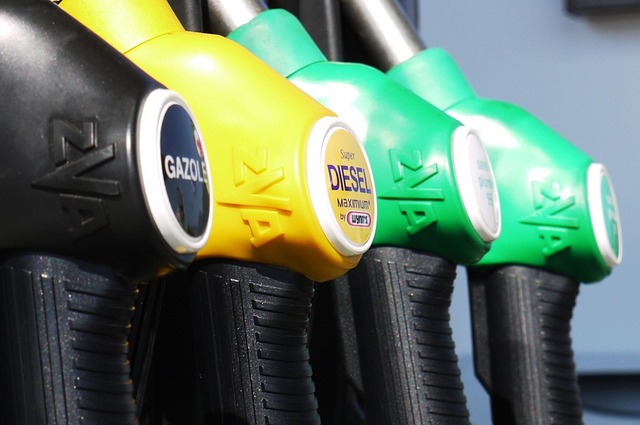
When considering gasoline engines for sale, understanding the various types and their features is paramount. The modern market offers a diverse range of options, catering to different needs and environmental considerations. Among these, traditional gasoline engines remain prevalent, but there’s a growing emphasis on eco-friendly alternatives.
Gasoline engine types can be broadly categorized based on their design and efficiency. Conventional gasoline engines are known for their power output but often fall short in fuel economy and emissions standards. Conversely, modern direct injection engines offer enhanced performance while reducing fuel consumption and pollution. These advancements have led to a more sustainable future for internal combustion engines, with hybrid electric vehicles (HEVs) emerging as a popular choice. HEVs seamlessly combine a gasoline engine with an electric motor, providing improved efficiency and lower emissions, making them a viable green gasoline alternative. For instance, the Toyota Prius has been a pioneer in this space, demonstrating that eco-friendly gasoline options can be both powerful and practical.
Additionally, the recent push for sustainability has sparked interest in fully electric vehicles (EVs), which offer zero tailpipe emissions but require infrastructure adjustments. However, for those not ready to transition entirely to EVs, hybrid technologies provide a middle ground. By seamlessly integrating conventional engines with electric powertrains, hybrids deliver improved fuel economy and reduced environmental impact. As the automotive industry continues to evolve, consumers have more options than ever when it comes to selecting gasoline vehicles naturally, ensuring both performance and ecological responsibility.
Factors to Consider When Selecting a Used Gasoline Vehicle

When selecting a used gasoline vehicle, several key factors come into play to ensure you make an informed decision. Firstly, consider your budget and what features are essential for your needs—modern gasoline vehicle innovations can greatly enhance efficiency and safety standards. Top-rated gasoline crossovers, for instance, often offer advanced driver-assistance systems (ADAS) that include adaptive cruise control, lane-keeping assist, and automatic emergency braking, all while providing ample passenger and cargo space.
Another critical aspect is the vehicle’s performance and fuel economy. Efficient and powerful gas cars have become increasingly popular as consumers seek to balance environmental concerns with robust driving experiences. For example, hybrid models like the Toyota Prius and Honda Insight offer impressive fuel economies in the range of 50-60 miles per gallon, significantly reducing long-term ownership costs. When evaluating used vehicles, check for maintenance records and recent service histories to gauge their overall condition and potential longevity.
Furthermore, consider the age and mileage of the vehicle. Generally, newer models tend to have more advanced features and better safety ratings, but they also come with higher price tags. Used gasoline crossovers from the past 5-7 years can offer a great balance, providing modern innovations at more affordable prices. Always inspect the vehicle’s exterior and interior for signs of wear and tear, check under the hood for leaks or damage, and take it for a test drive to assess its handling, acceleration, and overall drivability. Lastly, research recall information specific to the make and model to ensure any necessary repairs are addressed.
Finding Reliable Suppliers for Quality Gasoline Engines

Finding reliable suppliers for quality gasoline engines is a crucial step in acquiring robust and efficient powerplants for various applications. In today’s market, where environmental concerns and technological advancements are driving trends, selecting the right gasoline vehicles becomes even more critical. A savvy buyer should look beyond mere cost to ensure durability, fuel efficiency, and compatibility with modern standards. This involves delving into the world of reputable suppliers known for their commitment to quality and innovation in gasoline engine production.
One strategic approach is to focus on suppliers specializing in hybrid electric vehicle (HEV) technologies. These companies often harness cutting-edge innovations to create powerful yet economical engines that meet stringent emission norms while offering low cost gasoline car maintenance benefits. For instance, many HEV manufacturers have developed advanced fuel injection systems and variable valve timing mechanisms that optimize engine performance and reduce operational costs. By engaging with such suppliers, buyers can access not just reliable engines but also stay ahead of the curve in terms of technological advancements.
Moreover, exploring modern gasoline vehicle innovations can significantly enhance the selection process. Newer designs often incorporate lightweight materials, improved combustion efficiency, and advanced cooling systems to ensure longer engine lifespans. For example, aluminum alloys and precision engineering techniques contribute to reduced weight and enhanced thermal management, benefiting both performance and fuel economy. Keeping abreast of these trends allows buyers to select gasoline engines that not only meet current demands but also future-proof their vehicles against rapidly evolving industry standards.
By understanding the various gasoline engine types and their features, and considering factors like performance, efficiency, and reliability when selecting used gasoline vehicles, readers can make informed decisions. Accessing reliable suppliers for high-quality gasoline engines ensures that buyers get their money’s worth. To proceed, naturally focus on comparing different models, evaluating engine condition through professional inspections, and prioritizing safety and environmental standards. This strategic approach empowers individuals to not only Select Gasoline Vehicles but also invest in sustainable and efficient transportation solutions, backed by the knowledge gained from this authoritative guide.