

The future of gasoline vehicles is defined by their transition to sustainability, driven by advanced technologies and regulatory pushes. Select Gasoline Vehicles offer improved efficiency, reduced emissions, and enhanced safety features. Hybrid electric vehicles (HEVs) provide cost-effective, eco-friendly options. Alternative fuels from biomass and solar energy diversify the segment. Affordable gasoline cars under $20k balance sustainability with modern amenities. Policy incentives and technological advancements encourage a shift towards greener mobility, ensuring Select Gasoline Vehicles meet environmental and performance standards while maintaining consumer satisfaction.
The future of gasoline vehicles is a pressing issue, given the profound impact of transportation on our environment and public health. With rising concerns over climate change and air pollution, there’s an urgent need to transition from traditional select gasoline vehicles to cleaner alternatives. This article delves into the challenges posed by reliance on gasoline, exploring emerging technologies and innovations that promise to revolutionize the automotive sector. We will analyze electric vehicle (EV) advancements, alternative fuels, and regulatory shifts, providing a comprehensive overview of the path ahead for this critical industry.
- The Current State of Gasoline Vehicles: A Baseline
- Emerging Technologies Shaping the Future of Gasoline Cars
- Environmental Impact: Transitioning to Sustainable Gasoline Options
- Regulatory Landscape and Consumer Adoption: Selecting Gasoline Vehicles for Tomorrow
The Current State of Gasoline Vehicles: A Baseline
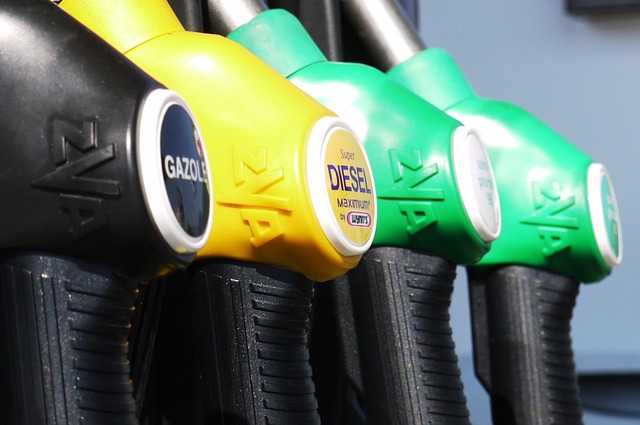
The current state of gasoline vehicles serves as a crucial baseline for understanding their evolving role in the global automotive landscape. While electric vehicles (EVs) gain significant traction, gasoline cars continue to be a dominant force, with various advancements and innovations shaping their future. Select gasoline vehicles now come equipped with cutting-edge technologies aimed at enhancing efficiency and reducing environmental impact. For instance, modern engines employ sophisticated fuel injection systems and advanced combustion processes to optimize power output while minimizing emissions.
The market for sustainable gas-powered vehicles is growing, reflecting a global push towards more eco-friendly transportation options. Hybrid electric vehicles (HEVs), such as the Toyota Prius, have established themselves as reliable and cost-effective choices for environmentally conscious consumers. These vehicles combine gasoline engines with electric motors, offering improved fuel economy and lower emissions compared to traditional gasoline cars. Furthermore, advancements in alternative fuels, like renewable gasoline derived from biomass or solar energy, promise to further diversify the options within the gasoline vehicle segment.
For those seeking affordable entry points into the market for sustainable transportation, gasoline cars under $20k present attractive alternatives. Many manufacturers are introducing compact and efficient models that prioritize fuel economy without compromising on safety features and modern amenities. This democratization of access to eco-friendly vehicles is a significant step towards widespread adoption of greener mobility solutions. As policy incentives and technological breakthroughs continue to evolve, the future of gasoline vehicles looks poised for continued integration into a broader sustainable transportation ecosystem.
Emerging Technologies Shaping the Future of Gasoline Cars

The future of gasoline vehicles is being reshaped by a wave of emerging technologies designed to address environmental concerns while enhancing performance and safety. Among these advancements, select gasoline vehicles are undergoing significant transformations, incorporating eco-friendly gasoline options that reduce greenhouse gas emissions. For instance, modern engines are becoming more efficient, consuming less fuel while delivering comparable or even improved power outputs. This trend is complemented by innovative materials and manufacturing processes that cut down on vehicle weight, further boosting fuel economy and reducing carbon footprint.
Safety remains a paramount concern in the development of gasoline cars, with manufacturers consistently introducing features that earn them excellent safety ratings. Advanced driver-assistance systems (ADAS) such as automatic emergency braking, lane-keeping assist, and adaptive cruise control are becoming standard equipment across various models. These technologies not only prevent accidents but also mitigate their severity when they occur, showcasing a commitment to making gasoline vehicles safer than ever before. Moreover, the integration of robust structural designs and advanced safety cages further enhances passenger protection, ensuring that select gasoline vehicles can withstand severe impacts while minimizing injury risk.
Looking ahead, the market is poised for significant shifts as consumers increasingly demand greener transportation options without compromising on performance or affordability. This shift has led to a surge in development for alternative fuel sources and higher efficiency standards, with many automakers investing heavily in research and development of gasoline cars that achieve optimal balance between environmental impact and driving pleasure. The future holds promise for select gasoline vehicles that not only meet but exceed the expectations of environmentally conscious drivers while continuing to offer the reliability and comfort associated with traditional gasoline engines.
Environmental Impact: Transitioning to Sustainable Gasoline Options

The future of gasoline vehicles is intricately tied to our planet’s health, and as we navigate towards a more sustainable world, the automotive industry is undergoing a significant transformation. One key aspect that cannot be overlooked is the environmental impact of these vehicles, especially as we continue to rely on gasoline as a primary fuel source. The transition to eco-friendly gasoline options is not just a trend but an essential step in reducing our carbon footprint. This shift presents both challenges and opportunities for manufacturers and consumers alike.
Select Gasoline Vehicles (SVs) that prioritize environmental sustainability can significantly contribute to lowering emissions, especially when paired with improved driving dynamics and efficient engineering. The market already offers a range of best gas cars for long trips, designed not only for performance but also for minimal environmental disruption. These vehicles utilize advanced technologies such as direct injection, turbocharging, and sophisticated emission control systems to deliver powerful, yet fuel-efficient, high-performance gas engines. For instance, the latest generation of four-cylinder engines can produce comparable horsepower to V6s while maintaining excellent fuel economy.
One practical insight for consumers is to look beyond traditional metrics like horsepower and focus on factors like city and highway fuel efficiency ratings, as well as zero-to-sixty acceleration times. Many eco-friendly gasoline options deliver impressive performance without compromising sustainability. For those concerned with long-distance travel, modern SVs equipped with advanced recovery systems and lightweight materials can enhance range while minimizing environmental impact. By embracing these innovations, we can ensure that the future of gasoline vehicles remains viable and harmonious with our ecological needs.
Regulatory Landscape and Consumer Adoption: Selecting Gasoline Vehicles for Tomorrow

The future of gasoline vehicles is shaped by a complex interplay between regulatory demands and consumer preferences, with a growing emphasis on sustainable transportation options. As governments worldwide set ambitious targets for reducing greenhouse gas emissions, the automotive industry faces the challenge of transitioning from traditional gasoline engines while ensuring consumer satisfaction and vehicle longevity. This section delves into the strategic considerations surrounding the selection of gasoline vehicles in an evolving market, highlighting modern innovations that could redefine driving experiences.
Regulatory bodies are playing a pivotal role in this transformation by implementing stricter emission standards and incentivizing the adoption of zero-emission vehicles. However, the transition to fully electric vehicles (EVs) is not without hurdles. Gasoline engines, known for their proven longevity and affordability, continue to hold significant market share. To meet regulatory requirements while catering to cost-conscious consumers, automakers are investing in modern gasoline vehicle innovations. These include advanced combustion technologies, such as direct injection and turbocharged engines, which improve fuel efficiency and reduce emissions without compromising performance. For instance, many manufacturers are introducing mild hybrid systems that combine electric motors with gasoline engines, enhancing fuel economy by allowing for stop-start functionality and regenerative braking.
When selecting a gasoline vehicle, consumers today have a multitude of options focused on sustainability without sacrificing driving pleasure. Factors like fuel efficiency, low emissions, and advanced safety features influence purchasing decisions. For example, hybrid vehicles offer improved mileage compared to their conventional counterparts, while modern gasoline models equipped with sophisticated emission control systems contribute to cleaner air. As the regulatory landscape continues to evolve, automakers must stay agile in adapting their product portfolios. This includes offering a diverse range of vehicle types, from compact cars to SUVs, ensuring that consumers have access to efficient and eco-friendly gasoline options tailored to their needs. Ultimately, the successful integration of sustainable transportation alternatives, such as modern gasoline vehicles, depends on striking a delicate balance between regulatory requirements, technological advancements, and consumer expectations.
The future of gasoline vehicles is both promising and complex, shaped by emerging technologies, environmental imperatives, and evolving regulations. Key insights highlight the need for sustainable gasoline options to mitigate environmental impact, with regulatory bodies driving consumer adoption through stricter standards. By selecting gasoline vehicles that prioritize efficiency and low emissions, consumers can actively contribute to a greener future while enjoying the versatility and convenience these cars offer. This article equips readers with the knowledge to make informed decisions, ensuring they stay ahead of the curve in navigating the dynamic landscape of gasoline vehicle technology and environmental responsibility.