
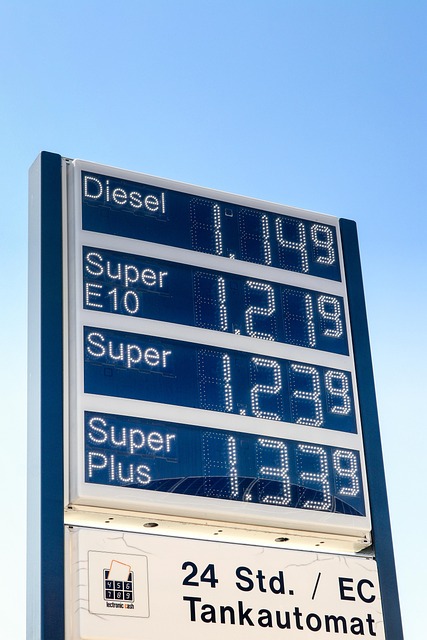
Select Gasoline Vehicles with advanced safety systems like collision avoidance and lane-keeping assist for enhanced protection. Top models like Tesla Model Y, Honda CR-V, and Toyota RAV4 earn high ratings. Consider fuel efficiency with hybrids like Toyota RAV4 Hybrid or Honda CR-V Hybrid for reduced environmental impact. Regular maintenance ensures optimal performance, safety, and fuel economy.
Selecting a safe gas SUV is paramount for families and individuals prioritizing reliability and protection. With growing environmental awareness, opting for gasoline vehicles offers a balance between performance and sustainability. However, the market overflows with options, each boasting different safety ratings. This article guides you through the maze by spotlighting top-rated gas SUVs renowned for their robust safety features and efficient gasoline engines. We provide an in-depth analysis, enabling you to make informed decisions and choose the ideal vehicle tailored to your needs while ensuring peace of mind on the road.
- Understanding Gas SUV Safety Features
- Top-Rated Gas SUVs: A Comprehensive List
- Factors to Consider When Choosing a Safe SUV
- Performance and Efficiency in Select Gasoline Vehicles
- Advanced Safety Technologies in Modern SUVs
- Maintenance Tips for Optimal Safety and Gas Mileage
Understanding Gas SUV Safety Features
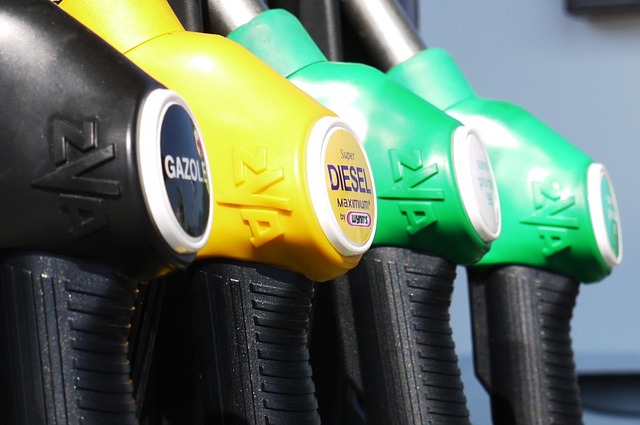
Selecting a safe gas SUV involves understanding the unique safety features designed to protect you and your passengers on the road. Modern gasoline vehicles with advanced technology offer an array of active and passive safety systems, from collision avoidance and lane-keeping assist to robust structural designs and advanced airbag deployment. For instance, many top-rated gas SUVs are equipped with forward-collision warning systems that can detect potential crashes and apply the brakes autonomously, significantly reducing the risk of frontal impacts.
These vehicles also boast low cost gasoline car maintenance features that contribute to both safety and affordability. Regular software updates over-the-air for active safety systems ensure your SUV stays up-to-date with the latest safety technologies, enhancing its performance and reliability. Additionally, affordable luxury gas sedans often incorporate sophisticated driver-assistance systems, such as blind-spot monitoring and adaptive cruise control, which provide an extra layer of protection in heavy traffic.
When evaluating a gas SUV, consider models that have consistently earned top safety ratings from independent organizations like the Insurance Institute for Highway Safety (IIHS) and National Highway Traffic Safety Administration (NHTSA). These agencies conduct rigorous crash tests and assess the effectiveness of various safety features, offering valuable insights into a vehicle’s overall safety performance. Remember, selecting an affordable, safe gas SUV isn’t just about cost; it’s about prioritizing your well-being on the road.
Top-Rated Gas SUVs: A Comprehensive List

When it comes to prioritizing safety while enjoying the versatility of a sport utility vehicle (SUV), choosing top-rated gas SUVs is a practical decision for modern families and individuals alike. These vehicles seamlessly blend powerful performance with eco-friendly driving experiences, offering efficient family gas cars that don’t compromise on safety features. Select gasoline vehicles are designed with advanced technology to enhance driver awareness and provide robust protection in the event of a collision, making them top picks for those seeking peace of mind behind the wheel.
Among the myriad options available, certain models stand out for their exceptional safety ratings and innovative design. For instance, the Tesla Model Y has garnered accolades for its all-electric powertrain, offering superior fuel efficiency and reduced emissions while maintaining a competitive safety score. Its advanced driver-assistance systems (ADAS) incorporate features like automatic emergency braking, lane-keeping assist, and adaptive cruise control, contributing to a smoother and safer driving experience. Similarly, the Honda CR-V and Toyota RAV4, both stalwarts in their segment, consistently rank at the top of safety lists thanks to their robust construction, advanced airbag systems, and sophisticated collision avoidance mechanisms.
When considering a top-rated gas SUV, it’s essential to examine not only crash test ratings but also the availability of active and passive safety features. Active safety technologies, such as forward collision warning and blind-spot monitoring, actively assist drivers in avoiding accidents, while passive safety features like robust airbags and structural integrity ensure minimal injury during a collision. Moreover, many modern SUVs come equipped with advanced driver assistance systems (ADAS), providing an additional layer of protection that continues to evolve with software updates. By prioritizing these aspects, consumers can make informed choices, ensuring they and their loved ones enjoy efficient family gas cars without sacrificing safety or sustainability.
Factors to Consider When Choosing a Safe SUV
When navigating the market for a safe SUV, several key factors demand your attention. Firstly, focus on gasoline vehicles with advanced technology incorporating sophisticated safety systems like collision avoidance, lane departure warnings, and automatic emergency braking. These features significantly enhance both active and passive safety measures. For instance, top-rated models like the Subaru Forester and Toyota RAV4 stand out for their industry-leading safety ratings and robust suite of driver assistance technologies.
Fuel efficiency is another critical consideration, especially for those logging significant family miles. Opting for efficient family gas cars not only saves you at the pump but also contributes to a greener environment. The Honda CR-V and Ford Escape are notable mentions, offering impressive fuel economy figures without compromising on performance or spacious interiors. Furthermore, best gasoline cars for fuel efficiency often prioritize lightweight materials, aerodynamic designs, and advanced engines, ensuring both cost savings and reduced emissions.
Beyond safety systems and fuel efficiency, consider vehicle dynamics and comfort. Test drive potential choices to assess handling, ride quality, and noise levels—all essential factors for an enjoyable and safe driving experience. Also, inspect the build quality and available features like backup cameras, parking sensors, and advanced infotainment systems, which enhance overall convenience and safety. Remember that choosing a well-rounded vehicle that excels in these areas ensures not just safety but also peace of mind during every journey.
Performance and Efficiency in Select Gasoline Vehicles

In the realm of sustainable transportation options, gasoline vehicles with advanced technology have emerged as a compelling choice, especially among SUV enthusiasts. When evaluating safety, performance, and efficiency in select gasoline SUVs, consumers are presented with a diverse range of high-mileage options that seamlessly blend power and economy. Leading automotive manufacturers have embraced innovation, incorporating sophisticated engineering and safety features into their latest gas-powered SUVs to ensure top-notch protection without compromising on fuel efficiency.
Consider the 2023 Toyota RAV4 Hybrid, renowned for its exceptional fuel economy and robust performance. This midsize SUV delivers an impressive 41 mpg combined city/highway, positioning it as a leader in the market for high-mileage gasoline vehicles. Under the hood, a sophisticated hybrid system combines a 2.5-liter four-cylinder engine with electric motors, resulting in swift acceleration and seamless transition between gas and electric power. This combination not only enhances performance but also contributes to lower emissions, aligning with the growing demand for eco-friendly sustainable transportation options. Another standout example is the Honda CR-V Hybrid, which boasts a fuel economy of up to 40 mpg combined, thanks to its efficient four-cylinder engine and advanced hybrid system.
For those seeking a larger, more luxurious gas SUV, the 2023 Lexus RX 450h offers a compelling blend of performance and efficiency. This premium SUV achieves an impressive 31 mpg in city driving, thanks to its powerful yet fuel-efficient hybrid powertrain. The RX 450h’s advanced technology includes a sophisticated regenerative braking system and intelligent energy management, further optimizing fuel economy. These select gasoline vehicles with advanced technology not only cater to safety-conscious buyers but also appeal to environmentally aware consumers seeking practical, high-performance sustainable transportation options. By considering these top-rated models, individuals can make informed decisions, ensuring they get the best of both worlds: powerful performance and exceptional fuel efficiency.
Advanced Safety Technologies in Modern SUVs

Modern gasoline SUVs have evolved significantly, incorporating advanced safety technologies that set them apart from their predecessors. These innovations are a response to the increasing demand for high performance gas engines while prioritizing passenger and environmental safety. One of the key areas of focus is collision avoidance systems, with features like automatic emergency braking and lane departure warning becoming standard across many models. These systems use a combination of sensors, cameras, and radar to detect potential hazards and intervene when necessary, significantly reducing the risk of accidents.
Furthermore, modern gasoline vehicle innovations often include advanced driver-assistance systems (ADAS). Features such as adaptive cruise control, blind spot monitoring, and rear cross-traffic alert enhance driving experience and safety by automating routine tasks and providing real-time warnings. For instance, hybrid electric vehicles, like the Toyota RAV4 Hybrid, incorporate these technologies while offering improved fuel efficiency and reduced emissions, demonstrating that high performance gas engines can coexist with eco-friendly practices.
Safety ratings from reputable organizations play a crucial role in guiding consumers towards the best choices. Models like the Subaru Forester and Mazda CX-5 have consistently topped safety rankings, thanks to their robust construction, advanced airbag systems, and superior structural integrity. As these technologies continue to evolve, it’s essential for buyers to stay informed about the latest safety features and ratings when selecting a gasoline SUV, ensuring they choose a vehicle that offers not just high performance but also top-notch protection for themselves and their loved ones on the road.
Maintenance Tips for Optimal Safety and Gas Mileage
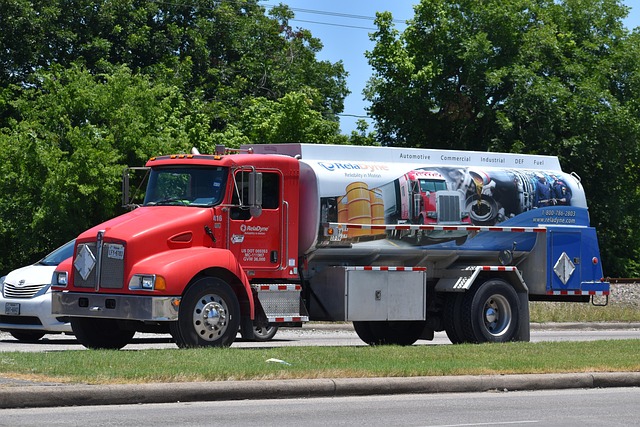
Maintaining your top safety-rated gas SUV is paramount to ensuring optimal performance, enhanced safety features, and impressive fuel economy, especially for family-friendly green gasoline alternatives. Regular upkeep plays a pivotal role in maximizing the benefits of modern fuel-saving gasoline models. One key area of focus is adherence to recommended service intervals. Neglecting routine maintenance can lead to reduced engine efficiency, compromised safety systems, and shorter overall vehicle lifespan.
For instance, many manufacturers advocate for oil changes every 5,000 to 7,500 miles, depending on driving conditions. Skipping these intervals can result in contaminated oil, impacting engine performance and potentially shortening the life of expensive safety components like anti-lock braking systems (ABS) and electronic stability control (ESC). Additionally, keeping tires properly inflated and aligned is crucial for maintaining control and fuel efficiency—a benefit especially notable in models known for their superior handling.
Beyond routine checks, prioritizing green gasoline alternatives can further elevate your SUV’s environmental friendliness and fuel economy. Opting for biofuels or high-octane gas where suitable can enhance engine performance while reducing emissions. For instance, some modern SUVs achieve impressive fuel economies of up to 30 miles per gallon on the highway when utilizing select gasoline vehicles naturally engineered for efficiency. Embracing these practices ensures your SUV not only keeps you and your family safe but also contributes positively to a sustainable future.
By delving into the world of gas SUVs, this article has illuminated several critical aspects to ensure maximum safety. Key takeaways include understanding the intricate safety features incorporated into modern vehicles, recognizing top-rated models, and learning how to make informed decisions when selecting a safe SUV. We’ve highlighted the importance of advanced safety technologies that go beyond basic norms, underscoring their role in enhancing performance and efficiency in select gasoline vehicles. Furthermore, practical maintenance tips have been provided to help owners maintain optimal safety standards and fuel economy. Armed with this knowledge, readers are now equipped to navigate the market, make informed choices, and ultimately choose a safe and reliable gas SUV that meets their specific needs.