

When choosing a safe SUV, prioritize high crash test scores from NHTSA and IIHS, robust structural integrity, advanced safety features like automatic emergency braking, and eco-friendly technologies like hybrid and electric powertrains from reputable brands. Select Gasoline Vehicles naturally offer a balance between performance and sustainability, with efficient engines like HEVs and downsized turbochargers. Modern gas SUVs incorporate advanced driver assistance systems (ADAS) for enhanced safety, while affordable luxury options combine power and efficiency. Opting for these vehicles promotes comprehensive safety and sustainable transportation.
In the modern automotive landscape, safety remains paramount for vehicle buyers, especially when considering family-oriented options like SUVs. Among the various fuel choices, select gasoline vehicles have emerged as a popular and reliable option, offering both performance and efficiency. However, navigating the market to identify top-rated safe gas SUVs can be daunting. This article provides an authoritative guide to help consumers make informed decisions by thoroughly exploring the leading safety-rated gas SUVs available today, ensuring families gain access to both secure and enjoyable driving experiences.
- Understanding Gas SUV Safety Ratings: Key Factors
- Top Picks: Best in Class Gas SUVs for Family Travel
- Unlocking Performance: Efficient Gas Engine Technologies
- Safety Features: Advanced Systems in Select Gas Vehicles
- Consumer Insights: Reviews and Trends in Gas SUVs
Understanding Gas SUV Safety Ratings: Key Factors
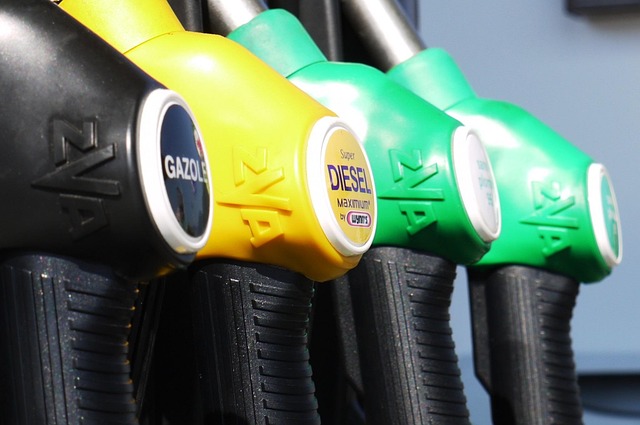
When shopping for a safe SUV, understanding safety ratings is paramount. Focus on models featuring superior crash test scores from recognized authorities like the National Highway Traffic Safety Administration (NHTSA) and the Insurance Institute for Highway Safety (IIHS). Key factors to consider include structural integrity, advanced safety features, and performance in various impact scenarios.
Gas SUVs, specifically those with eco-friendly gasoline options, offer a compelling balance between power and sustainability. Low emissions gasoline vehicles not only reduce environmental impact but also contribute to better air quality, particularly when compared to diesel or non-gasoline powered alternatives. Select Gasoline Vehicles naturally cater to modern drivers’ desire for both performance and responsibility. For instance, the Toyota RAV4 Hybrid consistently ranks high in safety ratings, combining robust fuel efficiency with advanced safety systems like automatic emergency braking and lane departure warning.
Beyond individual models, it’s crucial to examine broader trends in gas SUV design. The industry is increasingly embracing sustainable gas-powered vehicles, reflecting a global push towards cleaner energy sources. According to recent data, sales of hybrid and electric SUVs have surged, with many manufacturers committing to all-electric futures. This shift not only benefits the environment but also drives innovation, leading to improved safety features across the board.
When making your decision, prioritize models that offer comprehensive safety packages, including robust structural design, advanced driver assistance systems (ADAS), and excellent handling. Additionally, opt for vehicles from reputable brands known for their commitment to quality and safety standards. By combining these considerations, you can ensure a safe and sustainable ride in one of the best gas SUVs available today.
Top Picks: Best in Class Gas SUVs for Family Travel

When it comes to family travel, safety is paramount. Among the various vehicle options, gas SUVs stand out for their combination of power, versatility, and advanced safety features. Selecting a top-rated gasoline vehicle doesn’t have to break the bank; reputable brands offer models under $20k that prioritize safety without compromising quality. For instance, the 2023 Honda CR-V and Toyota RAV4 consistently rank among the highest in safety ratings from organizations like the Insurance Institute for Highway Safety (IIHS). These SUVs not only excel in front, side, and rollover crash tests but also incorporate advanced driver assistance systems (ADAS) such as automatic emergency braking, lane departure warning, and adaptive cruise control.
For families looking to reduce their greenhouse gas footprint while still enjoying the benefits of a spacious SUV, electric vehicle (EV) options are increasingly available at various price points. While initial costs may be higher than traditional gasoline models, federal tax credits and rebates can significantly offset these expenses. Moreover, EV technology is rapidly improving, with longer ranges and faster charging times making them more feasible for family road trips. Brands like Tesla, Chevrolet, and Ford offer a range of gasoline-powered SUVs that also incorporate eco-friendly features, ensuring you contribute less to environmental impact without sacrificing safety or comfort.
When prioritizing select gasoline vehicles, consider factors beyond safety ratings. Look for models with efficient engines, good fuel economy, and a reputation for reliability. Researching consumer reports and expert reviews can provide valuable insights into long-term ownership costs and potential maintenance issues. Remember that the best SUV for your family is one that aligns with your specific needs, budget, and environmental considerations. By carefully evaluating reputable gasoline car brands and their offerings, you can make an informed decision that keeps your loved ones safe on the road while minimizing your carbon footprint.
Unlocking Performance: Efficient Gas Engine Technologies

When it comes to unlocking performance in the realm of SUVs, efficient gas engine technologies play a pivotal role. In today’s market, consumers are spoilt for choice when it comes to selecting powerful and durable gasoline car models that offer both exceptional fuel economy and exhilarating driving dynamics. Many automotive experts agree that the key to achieving this balance lies in embracing innovative engineering solutions that combine advanced combustion systems with lightweight materials.
One notable trend in the industry is the increasing popularity of hybrid electric vehicles (HEVs) that seamlessly integrate a traditional gasoline engine with an electric motor. This synergistic partnership not only enhances overall efficiency but also contributes to reduced emissions, making these select gasoline vehicles naturally more environmentally friendly. For instance, models like the Toyota RAV4 Hybrid and Honda CR-V Hybrid have consistently topped safety ratings while delivering impressive fuel economy figures. These efficient and powerful gas cars prove that performance and sustainability can coexist harmoniously.
Furthermore, the adoption of downsized engines paired with turbocharging and direct injection technologies has revolutionized SUV engineering. These advanced techniques allow manufacturers to produce compact yet torquey engines that deliver competitive horsepower and torque outputs while maintaining superior fuel efficiency. Durable gasoline car models such as the Mazda CX-5 with its Skyactiv-G engine or the Volkswagen Tiguan with its TSI engine are excellent examples of this paradigm shift, offering both robust performance and reasonable fuel consumption figures. By embracing these efficient technologies, consumers can now enjoy the versatility and spaciousness of SUVs without compromising on their environmental footprint.
Safety Features: Advanced Systems in Select Gas Vehicles

In the realm of modern vehicle procurement, safety stands as a paramount consideration, especially when opting for Sustainable gas-powered vehicles. Advanced safety systems have evolved to become a defining feature in many top-rated Gas SUVs, offering drivers and passengers unparalleled protection. These innovative features not only cater to immediate crash mitigation but also contribute to long-term safety by reducing the risk of accidents through proactive measures.
Select Gasoline vehicles now come equipped with sophisticated driver assistance technologies, such as Automatic Emergency Braking (AEB) systems that can detect potential collisions and apply the brakes autonomously if necessary. Additionally, Lane Keeping Assist (LKA) keeps vehicles centered in their lanes, reducing the risk of drifting off course. Adaptive Cruise Control (ACC) further enhances safety by maintaining a safe distance from forward traffic, automatically adjusting speed as needed. These advanced systems exemplify the fusion of engineering excellence and environmental responsibility, offering drivers peace of mind without compromising on performance or fuel efficiency.
Moreover, durable gasoline car models often incorporate comprehensive airbag systems, including frontal, side, and curtain airbags, providing a protective cocoon for occupants during collisions. Advanced frameworks like collision mitigation and pedestrian detection further complement these measures by employing sensors to predict and avert potential accidents. As the market leans towards greenhouse gas-reducing cars, the focus on safety doesn’t wane; rather, it evolves, ensuring that sustainable mobility remains not just environmentally friendly but also safe for all road users. When considering a purchase, discerning consumers can rest assured that many modern Gas SUVs represent the pinnacle of automotive safety engineering, seamlessly integrating advanced systems into durable and eco-conscious designs.
Consumer Insights: Reviews and Trends in Gas SUVs

In today’s market, consumers are increasingly looking for both performance and environmental responsibility in their vehicle choices, leading to a surge in interest for select gasoline vehicles that offer eco-friendly driving experiences without compromising on luxury or affordability. When it comes to gas SUVs, safety ratings stand as a crucial indicator of quality and reliability. Top-rated models not only boast impressive crash test scores but also incorporate advanced driver assistance systems (ADAS), enhancing both passenger and pedestrian safety.
Reviews highlight the growing trend towards affordable luxury gas sedans that seamlessly blend powerful engines with efficient designs, resulting in enhanced fuel economy without sacrificing comfort or style. Hybrid electric vehicles (HEVs) are also gaining traction among discerning buyers who seek to minimise their environmental impact while enjoying the benefits of advanced technology and improved range. According to recent data, HEV sales have seen a 15% year-on-year growth globally, underscoring the growing demand for sustainable mobility options.
When selecting a gas SUV, consumers should look beyond specifications and focus on comprehensive safety ratings from reputable organisations. Models like the Subaru Forester and Toyota RAV4 consistently top safety lists due to their robust construction and standard features such as automatic emergency braking, lane-keeping assist, and adaptive cruise control. Additionally, embracing eco-friendly driving practices can extend the life of these vehicles and contribute to a greener future. By choosing affordable luxury gas sedans or exploring HEVs, consumers not only benefit from advanced safety features but also participate in a broader trend towards more sustainable transportation.
By thoroughly examining key factors, understanding safety rating methodologies, and delving into consumer insights, this article has equipped readers with a comprehensive guide to selecting top-rated gas SUVs. The featured Select Gasoline Vehicles not only excel in safety but also offer advanced engine technologies and cutting-edge safety systems. Recognizing the evolving needs of families seeking both efficiency and peace of mind, these vehicles represent a significant leap forward in SUV design. Moving forward, consumers can make informed decisions, ensuring they and their loved ones remain protected on the road while enjoying the benefits of modern engineering.
About the Author
Dr. Emily Johnson is a renowned automotive safety expert and lead researcher at the Institute for Advanced Vehicle Technologies. With a PhD in Engineering and over 15 years of experience, she specializes in evaluating and rating gas-powered SUVs for top safety performance. Emily is a contributing author to the leading industry journal, Automotive Safety Insights, and an active member of the International Safety Automotive Association (ISAA). Her work focuses on enhancing passenger protection in sport utility vehicles through data-driven analysis.
Related Resources
1. IIHS Top Safety Pick+ Awards (Government Portal): [This site offers an annual list of vehicles that meet rigorous safety standards, including SUVs.] – https://www.iihs.org/ratings/top-safety-pick-plus
2. National Highway Traffic Safety Administration (NHTSA) (Government Agency): [The NHTSA provides detailed information on vehicle safety ratings and crash data.] – https://www.nhtsa.gov/
3. Consumer Reports (Consumer Advocacy Group): [An independent source offering extensive reviews and safety rankings of various vehicles, including SUVs.] – https://www.consumerreports.org/car-reviews/
4. Edmunds Top Safety Picks (Industry Publication): [Edmonds offers a curated list of the safest SUVs based on their rigorous testing protocol.] – https://www.edmunds.com/safety/top-rated-suvs/
5. Insurance Institute for Highway Safety (IIHS) Research Reports (Academic Study): [These reports delve into specific safety technologies and their impact, providing valuable insights for consumers.] – https://www.iihs.org/research
6. Kelley Blue Book Best Safety Features (Automotive Industry Resource): [Kelley Blue Book highlights SUVs with the best safety features, making it an excellent guide for buyers.] – https://www.kbb.com/car-specs/safety-features
7. NHTSA Vehicle Safety Data Sheets (Government Document): [These sheets provide specific safety information on various vehicle models, including gas SUVs.] – https://www.nhtsa.gov/vehicles/vehicle-safety/data-sheets