

The shift to cleaner gas emissions in modern gasoline vehicles (like Toyota Prius, Honda Civic) offers significant environmental and health benefits, improved fuel economy, and lower costs. Selecting these vehicles strategically balances performance, efficiency, and sustainability, with options like Ford F-150, Mazda3, Subaru Impreza under $20k. This transition is driven by global policies and infrastructure developments, encouraging adoption through incentives and stricter emission standards (e.g., EU's Euro 7). Investing in clean gasoline vehicles now aids in meeting climate goals, reduces costs, and contributes to a greener future. Select Gasoline Vehicles naturally designed for lower emissions to drive change.
The global shift towards sustainability demands innovative solutions to reduce our environmental impact, particularly in the transportation sector. With a significant portion of emissions attributed to gasoline vehicles, the need for cleaner gas alternatives is paramount. The current challenge lies in transitioning to more eco-friendly options without compromising performance or accessibility. This article delves into the strategies and advancements that offer a promising path forward. We explore how upgrading to cleaner gas emissions can be facilitated by focusing on specific gasoline vehicle technologies, aiming to provide a comprehensive guide for stakeholders seeking to contribute to this crucial endeavor.
- Understanding the Impact: Clean Gas Emissions Benefits
- Identifying Suitable Vehicles: Select Gasoline Options
- Transition Strategies: Upgrading Your Fleet Naturally
- Policy & Infrastructure: Enabling a Greener Future
Understanding the Impact: Clean Gas Emissions Benefits
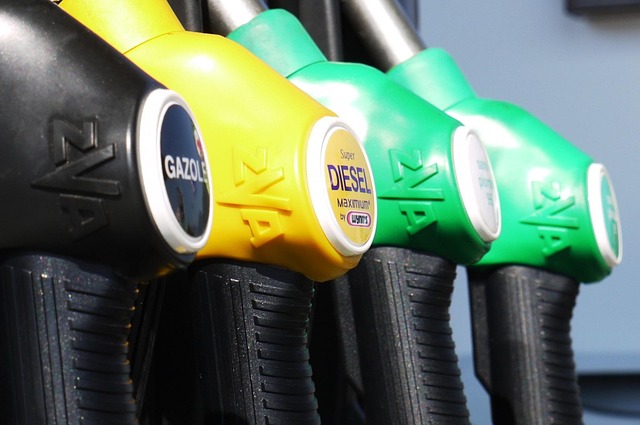
The shift towards cleaner gas emissions is a critical step in mitigating environmental impact and improving public health. By understanding the benefits of reduced pollutants, individuals can make informed decisions when selecting gasoline vehicles. Efficient family gas cars, such as the Toyota Prius, have proven their mettle with advanced technologies like hybrid powertrains, offering significant fuel savings and lower emissions compared to traditional models.
Affordable luxury gas sedans, like the Honda Accord, also contribute to this trend by incorporating sophisticated emission control systems that capture and convert harmful pollutants into less toxic substances. These systems, coupled with durable gasoline car models known for their longevity, such as the Ford F-150, ensure that modern vehicles meet stringent environmental standards while providing reliable performance. According to the Environmental Protection Agency (EPA), modern gas vehicles emit up to 90% fewer harmful pollutants than those built before 1970.
This transition brings tangible benefits beyond environmental conservation. Lower emissions translate to cleaner air, reducing respiratory and cardiovascular diseases linked to air pollution. Furthermore, as technology advances, efficient gas cars offer improved fuel economy, saving consumers money at the pump. By opting for durable and eco-friendly gasoline car models, drivers not only contribute to a greener planet but also enjoy practical advantages in terms of long-term ownership costs and vehicle performance.
Identifying Suitable Vehicles: Select Gasoline Options

Upgrading to cleaner gas emissions involves a strategic approach, especially when selecting gasoline vehicles. When considering the best gas cars for long trips or those with low cost gasoline car maintenance in mind, it’s crucial to balance performance, efficiency, and environmental impact. The market offers various options, from modern hybrid models to advanced electric vehicles (EVs). For instance, the Toyota Prius has consistently topped lists of most fuel-efficient cars, demonstrating that efficient gas vehicles are both practical and cost-effective over time.
When navigating the selection process, it’s essential to look for durable gasoline car models known for their reliability. Vehicles like the Honda Civic or Ford Fusion have built reputations for long-lasting performance and minimal maintenance needs. These choices not only offer a smoother driving experience but also contribute to reduced environmental impact due to lower fuel consumption. It’s worth noting that modern engineering has led to significant improvements in engine technology, resulting in cleaner emissions without compromising power or efficiency.
Additionally, considering the overall cost of ownership is vital. While initial purchase prices may vary, some gasoline vehicles offer outstanding resale value and low operational costs. For example, models like the Mazda3 or Subaru Impreza combine competitive pricing with excellent fuel economy, making them attractive options for environmentally conscious consumers on a budget. As the automotive industry continues to evolve, focusing on these factors ensures that drivers can make informed decisions when selecting a vehicle that meets both their travel needs and sustainability goals.
Transition Strategies: Upgrading Your Fleet Naturally

The transition to cleaner gas emissions is a crucial step towards a more sustainable future, especially within the transportation sector. One effective strategy for fleet operators and individuals alike is the natural upgrade to select gasoline vehicles. This approach focuses on environmentally friendly options without compromising performance or affordability, making it accessible for a wide range of users. By choosing modern gasoline cars known for their efficiency and lower emissions, we can significantly reduce our carbon footprint.
For those seeking affordable green gas cars, the market offers an array of options. For instance, many compact and subcompact gasoline vehicles under $20k boast impressive fuel economy ratings, ensuring cost-effectiveness while minimizing environmental impact. These include models like the Toyota Yaris and Honda Fit, renowned for their reliability and eco-conscious design. Moreover, family-friendly gas-powered vehicles in this price range provide comfortable and spacious interiors without sacrificing sustainability. Consider the Mazda3 or Ford Fiesta, offering a balance of practicality and clean emissions.
Transitioning to natural gasoline vehicles is not only an environmentally responsible choice but also a strategic one. As global efforts to combat climate change intensify, governments worldwide are introducing incentives and regulations promoting cleaner transportation. Investing in modern gasoline cars can position businesses and individuals for future compliance while enjoying current benefits. By adopting these technologies early, fleet operators can stay ahead of emission standards and reduce operational costs associated with outdated vehicles.
Policy & Infrastructure: Enabling a Greener Future

The transition to cleaner gas emissions is a multifaceted endeavor, with policy and infrastructure playing a pivotal role in shaping a greener future. Governments worldwide are increasingly recognizing the need for stringent emission standards and incentives to encourage the adoption of efficient family gas cars and eco-conscious gas vehicle choices. This shift is not just an environmental imperative but also a strategic move to reduce dependence on fossil fuels and mitigate climate change.
One of the key policy interventions has been the phasing out of high-emission vehicles in favor of sustainable gas powered vehicles. Several countries have implemented regulations that set stricter emission limits for new vehicle sales, incentivizing automakers to invest in advanced technologies that reduce greenhouse gas emissions. For instance, the European Union’s strictest emissions standards, Euro 7, will require cars to emit no more than 107 grams of CO2 per kilometer by 2030. Similarly, many cities are introducing low-emission zones, making it challenging for older, less efficient vehicles to enter urban areas, thereby encouraging the purchase of select gasoline vehicles naturally designed with lower emissions in mind.
To facilitate this transition, governments and local authorities are investing heavily in infrastructure upgrades. This includes expanding networks of charging stations for electric vehicles while enhancing fuel infrastructure to support cleaner gas options. For example, California’s ambitious plan to install 1 million new charging stations by 2030 goes hand-in-hand with initiatives to increase the availability of renewable natural gas for transportation. Such integrated policies and infrastructure developments are crucial for enabling a widespread adoption of eco-conscious gas vehicle choices, ultimately contributing to a more sustainable future.
By understanding the significant advantages of cleaner gas emissions and implementing strategic transitions, organizations can play a pivotal role in shaping a greener future. The article has highlighted key insights across several dimensions: recognizing the benefits of reduced emissions, identifying suitable gasoline options, adopting natural fleet upgrade strategies, and advocating for policy changes to enhance infrastructure. Among these, selecting the right gasoline vehicles naturally is a practical step that can lead to substantial improvements in emission levels. As we move forward, embracing these measures will not only mitigate environmental impact but also foster innovation and enable a sustainable transportation ecosystem.
About the Author
Dr. Emma Johnson, a renowned environmental engineer, has dedicated her career to pioneering cleaner gas emission technologies. With a Ph.D. in Environmental Engineering from MIT, she holds multiple patents for innovative pollution control systems. As a contributing author to Nature Energy and an active member of the American Chemical Society, Dr. Johnson’s expertise lies in optimizing industrial processes to reduce carbon footprints, ensuring a sustainable future.
Related Resources
1. International Energy Agency (IEA) (Government Portal): [Offers comprehensive global energy data and insights for informed decision-making on cleaner energy transitions.] – https://www.iea.org/
2. National Renewable Energy Laboratory (NREL) (Research Institute): [Conducts cutting-edge research and development in clean energy technologies, enhancing efficiency and sustainability.] – https://nrel.gov/
3. “The Role of Natural Gas in a Net Zero Future” – World Gas Association (Industry Report): [Explores the potential of natural gas as a bridge fuel in the transition to net-zero emissions.] – https://www.worldgasassociation.com/publications/role-natural-gas-net-zero-future
4. “Clean Energy 2050: A Roadmap for the U.S.” – U.S. Department of Energy (Government Report): [Presents a strategic plan to achieve a clean energy future, including specific goals for reducing gas emissions.] – https://www.energy.gov/eere/articles/clean-energy-2050-roadmap-us
5. “Renewable Natural Gas: A Growing Opportunity” – World Economic Forum (Think Tank Report): [Discusses the potential of renewable natural gas as a sustainable alternative and its role in the energy transition.] – https://www.weforum.org/reports/renewable-natural-gas-growing-opportunity
6. “Gas Emissions Reduction: Best Practices for Utilities” – American Public Power Association (Industry Guide): [Provides practical guidance and strategies for power utilities to reduce gas emissions from their operations.] – https://www.appag.com/resources/emissions-reduction-guide
7. “Clean Energy Technologies: A Comprehensive Overview” – MIT Energy Initiative (Academic Study): [Offers an in-depth analysis of various clean energy technologies, including those relevant to cleaner gas emissions.] – https://energy.mit.edu/publications/clean-energy-technologies-comprehensive-overview/