

Upgrading to gas-efficient cars saves money and benefits the environment. Hybrids like Toyota Prius and electric vehicles from Tesla and Nissan offer top choices. Select gasoline vehicles based on your needs: compact for city driving, larger SUVs for longer trips. Aim for 35+ miles per gallon to reduce fuel costs. Explore certified pre-owned or leasing options for accessibility. Choose a car tailored to your lifestyle for an eco-friendly experience.
In today’s world, the need for sustainable transportation has never been more pressing. With escalating environmental concerns and fluctuating fuel costs, upgrading to a gas-efficient car is not just a smart financial move but also an essential step towards a greener future. The issue lies in the vast number of gasoline vehicles still on the road, many of which are outdated models with poor fuel economy. This article serves as a comprehensive guide for consumers looking to make the switch, offering insights into the latest advancements in gas-efficient technology and providing practical advice for making an informed decision. By the end, readers will be equipped to navigate this transition seamlessly.
- Understanding Gas Efficiency: Benefits and Choices
- Evaluating Your Options: Types of Gas-Efficient Cars
- Transitioning Smoothly: Steps to Select and Upgrade Vehicles
Understanding Gas Efficiency: Benefits and Choices

Understanding Gas Efficiency: Benefits and Choices
Upgrading to a gas-efficient car offers significant advantages for both your wallet and the environment. The primary benefit lies in reduced fuel costs, as these vehicles are designed to optimize gasoline consumption, leading to substantial savings over time. Moreover, selecting low emissions gasoline vehicles contributes to cleaner air and mitigating climate change impacts. According to the U.S. Department of Energy, choosing a car with excellent gas mileage can save an average driver up to $700 annually on fuel expenses.
Gas-efficient models come in various forms, including hybrid and electric vehicles, each offering unique advantages. For instance, hybrid cars combine a conventional engine with an electric motor, providing superior fuel economy without sacrificing performance. A practical example is the Toyota Prius, renowned for its impressive 52 mpg (miles per gallon) rating. When considering affordable green gas cars, options like the Honda Civic Hybrid or the latest all-electric vehicles from Tesla and Nissan offer compelling choices for environmentally conscious consumers.
Transitioning to sustainable transportation options not only benefits your pocketbook but also plays a crucial role in combating global environmental challenges. As technology advances, a wider range of low emissions gasoline vehicles becomes available, making it easier than ever to make an informed choice. Whether you opt for a hybrid or fully electric vehicle, selecting the right gas-efficient car aligns with global efforts to reduce carbon footprints and foster a greener future.
Evaluating Your Options: Types of Gas-Efficient Cars

When considering an upgrade to a gas-efficient car, understanding the diverse range of options available is crucial for making an informed decision that aligns with your eco-friendly driving aspirations. Evaluating your choices involves delving into the world of hybrid vs traditional gasoline cars and exploring the latest advancements in engine technology. For instance, hybrid vehicles like the Toyota Prius have long been recognized as leaders in fuel efficiency, offering a harmonious blend of conventional gasoline power and electric propulsion to deliver significant savings at the pump.
However, recent developments have introduced top performing gas engines that challenge the status quo. Modern inline-4 and turbo-charged V6 engines, such as those found in vehicles like the Honda Civic and Ford Escape, respectively, offer impressive fuel economy without sacrificing performance. These engines combine advanced combustion technologies with lightweight materials and precise engineering to deliver both efficiency and driving pleasure. For those seeking a more luxurious eco-friendly option, premium brands like Audi and Lexus have pioneered hybrid and plug-in hybrid systems that seamlessly integrate with high-end design and technology features.
When selecting a gasoline vehicle, consider your specific needs and preferences. If daily commutes involve mostly urban driving, compact or subcompact cars are ideal for their maneuverability and efficient engines. For longer trips or those who require more space, midsize sedans and SUVs offer excellent fuel economy while accommodating passengers and cargo. Ultimately, the key to choosing a gas-efficient car lies in balancing environmental responsibility with practicality and performance expectations, ensuring an eco-friendly driving experience that meets your unique lifestyle demands.
Transitioning Smoothly: Steps to Select and Upgrade Vehicles
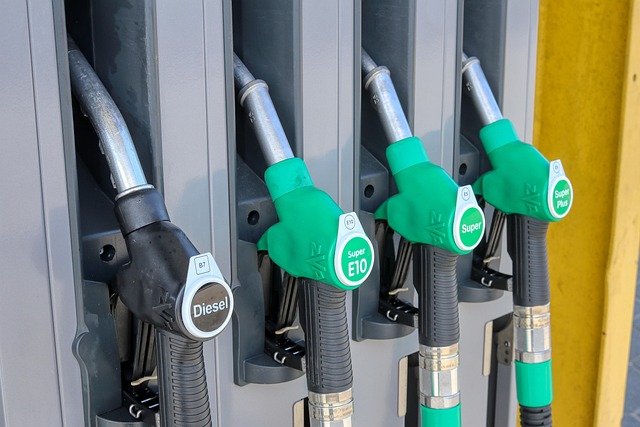
Transitioning to a gas-efficient car is a significant step towards sustainability and cost savings. When considering how to select and upgrade vehicles, it’s crucial to look beyond traditional gasoline alternatives for cars and explore the diverse options available in today’s market. One of the first steps is defining your needs, especially if you’re an efficient family gas car user. For instance, electric vehicles (EVs) offer impressive fuel efficiency but may not be suitable for long-distance travel or households with limited charging infrastructure.
Affordable green gas cars are now more accessible than ever, with many manufacturers introducing advanced technologies to reduce emissions and improve performance. Hybrid vehicles, such as the Toyota Prius, have been a popular choice, combining gasoline engines with electric motors to offer superior fuel economy. For those seeking even greater efficiency, plug-in hybrids or full-electric models like the Tesla Model 3 or Nissan Leaf can be considered. These options not only provide excellent range but also reduce overall ownership costs due to lower fueling expenses.
When selecting a new or used vehicle, consider factors like fuel economy ratings, available incentives for purchasing green gas cars, and the cost of ownership over time. For instance, data from the U.S. Department of Energy indicates that vehicles with a rating of 35 miles per gallon (mpg) or higher can save drivers significant amounts on gasoline compared to traditional models. Additionally, exploring options for affordable green gas cars through certified pre-owned programs or leasing can make these advanced vehicles more accessible to a wider range of buyers. Remember, the transition should be smooth and tailored to your lifestyle, ensuring you choose an efficient car that meets your daily needs seamlessly.
By understanding gas efficiency and its benefits, evaluating various car types, and transitioning smoothly through a structured process, readers are now equipped to make informed decisions when upgrading to a gas-efficient vehicle. The key insights emphasize the importance of choosing the right vehicle for personal needs while promoting environmental sustainability. When selecting gasoline vehicles, consider fuel economy ratings, hybrid or electric models, and new versus used options. These practical steps ensure a responsible and strategic upgrade that saves money, reduces emissions, and contributes to a greener future.